
Art, life, and island: SUAVEART, Taiwan
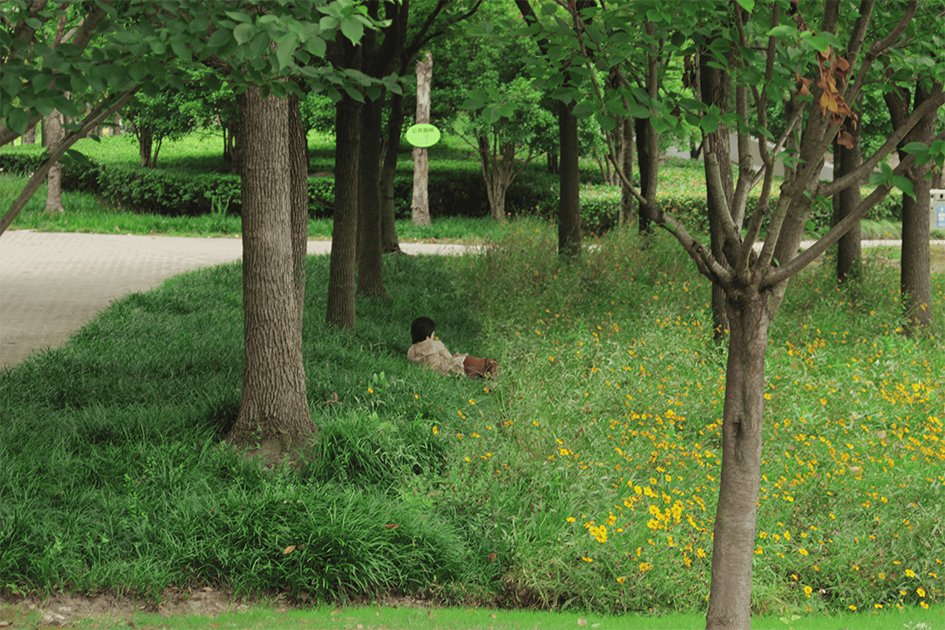
As part of a series of features on the If Trees Could Talk International Art Biennale, Marahuyo Art Projects spoke to Yipei Lee and Jill Zheng of SUAVEART, a research-based curatorial institution in Taiwan that explores the intersection of art, science, and life. Here, they talk about SUAVEART’s origins, their exhibit Rhizomatic Echoes, and how they integrate ecology and sustainability into their practice.
All photos courtesy of SUAVEART
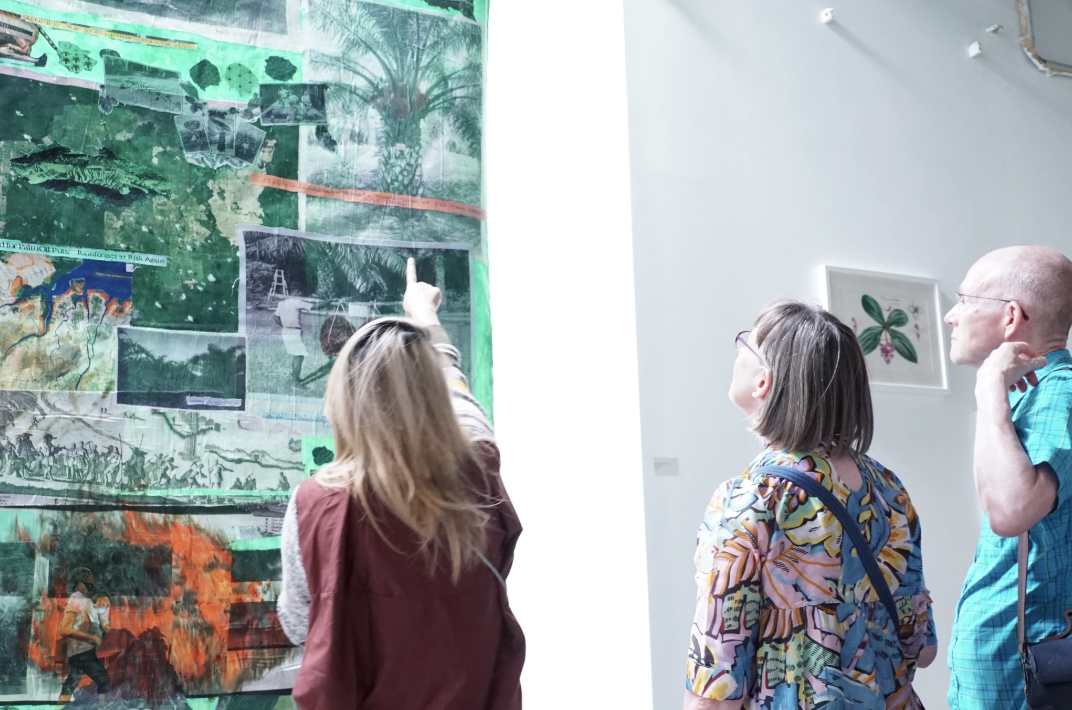
SUAVEART had its beginnings in 2008, growing into the community that it is today. How did it start and who were the people and artists that established it?
Yipei: Back in 2008, everything started quite organically for me. I was doing an internship at a gallery, and through one of their group exhibitions, I had my first real encounter with Southeast Asian contemporary art—artists like Gabriel Barredo from the Philippines, Agus Suwage and Handiwirman from Indonesia, Natee Utarit from Thailand, and artists from Malaysia, Myanmar, and Vietnam.
At that time, I was still very young and quite naive. I remember feeling that, as a viewer in Taiwan, access to information about Southeast Asian contemporary art was actually very limited. So during my internship, I slowly began reaching out—meeting artists, curators, collectors—and learning through conversations and informal support networks. In the beginning, it was really just me trying to figure things out on my own—trying to understand cultural contexts, collaboration models, and how translation works within contemporary society.
Since its formal opening in 2015, how has the organization changed and developed? How long have you been affiliated with and involved in SUAVEART?
Yipei: After 2015, SUAVEART gradually became more structured. We once had a physical studio space near the Taipei Botanical Garden around 2017–2018. At that time, there were a few junior colleagues and volunteers helping to manage the space and support visiting artists. But as our projects became more international and field-based, especially involving research and residencies in different locations, maintaining a physical space became quite difficult. So we decided to shift our focus more toward research approach, curatorial work, and socially and ecologically engaged practices. We also spent time rethinking what “community” could mean—how it could become more flexible, more open, and able to include participants from different cultural contexts without being tied to one fixed location.
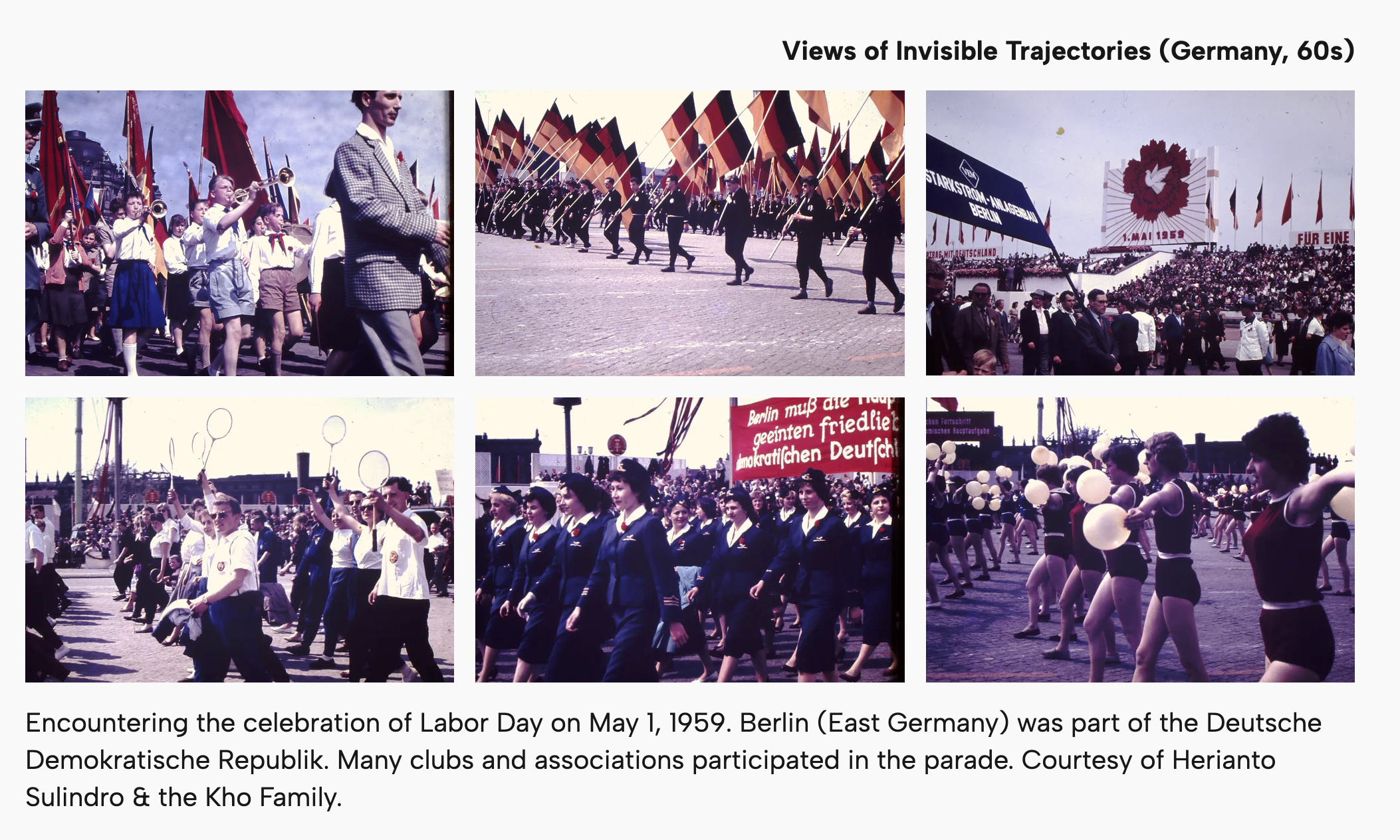
The pandemic was a major turning point for us. We started doing and trying a lot of online programs—podcasts, reading groups, residencies, and artist talks. Around that time, we were also invited by an Indonesian collective, Jatiwang Art Factory, to co-initiate the project and participate in the preparations for documenta 15. At the same time, new members joined us, including a cultural practitioner with an anthropology background based in the UK. During COVID, many artists were unable or unwilling to travel, but we still tried to maintain exchange as much as possible. We sent 3 artists and went to Java for multiple residencies, and also participated in exhibitions in Germany.
After the pandemic, our international network really started to open up. New collaborators joined through diasporic and translocal projects, including initiatives connected to projects about Swiss-based Asian architectural archives. By around 2022, SUAVEART had about four core members, plus two to three network collaborators.
We also spent time rethinking what “community” could mean—how it could become more flexible, more open, and able to include participants from different cultural contexts without being tied to one fixed location.
Jill: My own path intertwined with SUAVEART in 2021 when I attended one of her workshops. I watched her introduce her research on mangrove ecologies and islands—themes that profoundly mirrored my own artistic interests. In an organic extension of creative dialogue, she integrated a video poem of mine into her presentation. This early moment of creative attunement quietly incubated over the next few years until 2024, when my involvement formalised and deepened during the Zurich residency, which centered on “The Invisible Trajectory: Drifting Sounds and Shadows Between Cities.” Working within the archival spaces of the Schubertstrasse apartment, this collaboration immersed us in the delicate, diasporic textures of migration, tracing the fluid lines of home and belonging that connect distant urban landscapes. Since that pivotal collaboration, I have been actively affiliated with SUAVEART, weaving my practice into its ongoing exploration of more-than-human narratives.
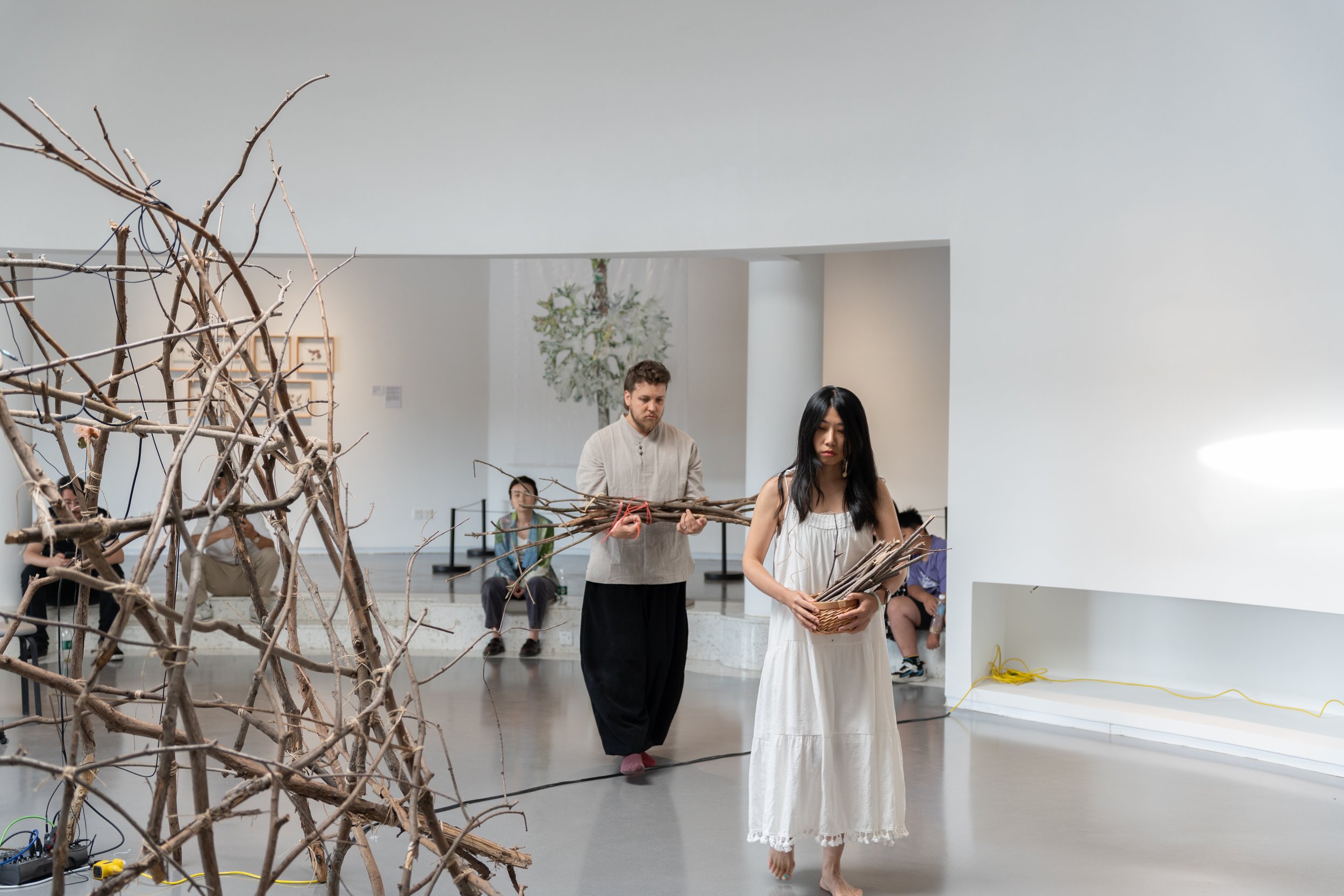
Jacob Charles and Jill Zheng perform at the opening of Rhizomatic Echoes. Photo by Huang Xinyuan
What is the story behind SUAVEART’s name?
Yipei: The origin of SUAVEART began quite unexpectedly—with a simple moment while I was washing my hair. I noticed the word suave on a hair product and, out of curiosity, looked it up in the dictionary. I discovered that suave carries meanings such as smooth, gentle, refined, and graceful. Initially, I was intrigued by its connection to softness and care. As I continued reflecting on the word, I found deeper values within it—elegance, sensitivity, attentiveness, and a quiet strength. These qualities resonated strongly with the kind of artistic practice and cultural work I hoped to cultivate.
When I combined SUAVE with ART to form SUAVEART, it also took on a meaningful connection in Mandarin. The pronunciation echoes 細着藝術 (xì zhuó yì shù). In an older linguistic sense, 細着 (xì zhuó) suggests something delicately crafted, carefully considered, and handled with great attention to detail. It embodies the idea that every gesture and every texture carries intention and care.
To me, this is deeply connected to curating. Curating is not only about presenting artworks—it is about caring for artistic practices, nurturing dialogue, and creating meaningful connections between art and life. That is why I chose the name SUAVEART: it reflects our commitment to approaching art with sensitivity, thoughtfulness, and care, while cultivating artistic practices as an essential part of everyday life.
How were SUAVEART’s artistic sensibilities cultivated over the years?
Yipei: I would say this direction developed very organically over time—it wasn’t something we decided from the start. It came from lived experience, observation, and continuous reflection. Taiwan itself is an island surrounded by ocean, with volcanic landscapes, forests, and a very rich ecological system. Living on an island naturally shapes how you think about coexistence with nature. Ecology is not something external—it is part of daily life and collective awareness.
At the same time, Taiwan’s colonial history and rapid industrial development have created different layers of rupture. Capitalisation and urbanisation have gradually distanced people from traditional culture, craft knowledge, ecological understanding, and even from the ocean and land itself. This creates generational gaps in how culture and identity are understood.
For me personally, this awareness also comes from my upbringing. I was exposed to traditional Taiwanese opera (Kua-á-hì) from a young age and had the opportunity to learn from a national master. What stayed with me wasn’t only the art form itself, but her lifelong dedication to cultural preservation. That experience made me understand culture as something living—it exists through daily practice, collective memory, and care between people.
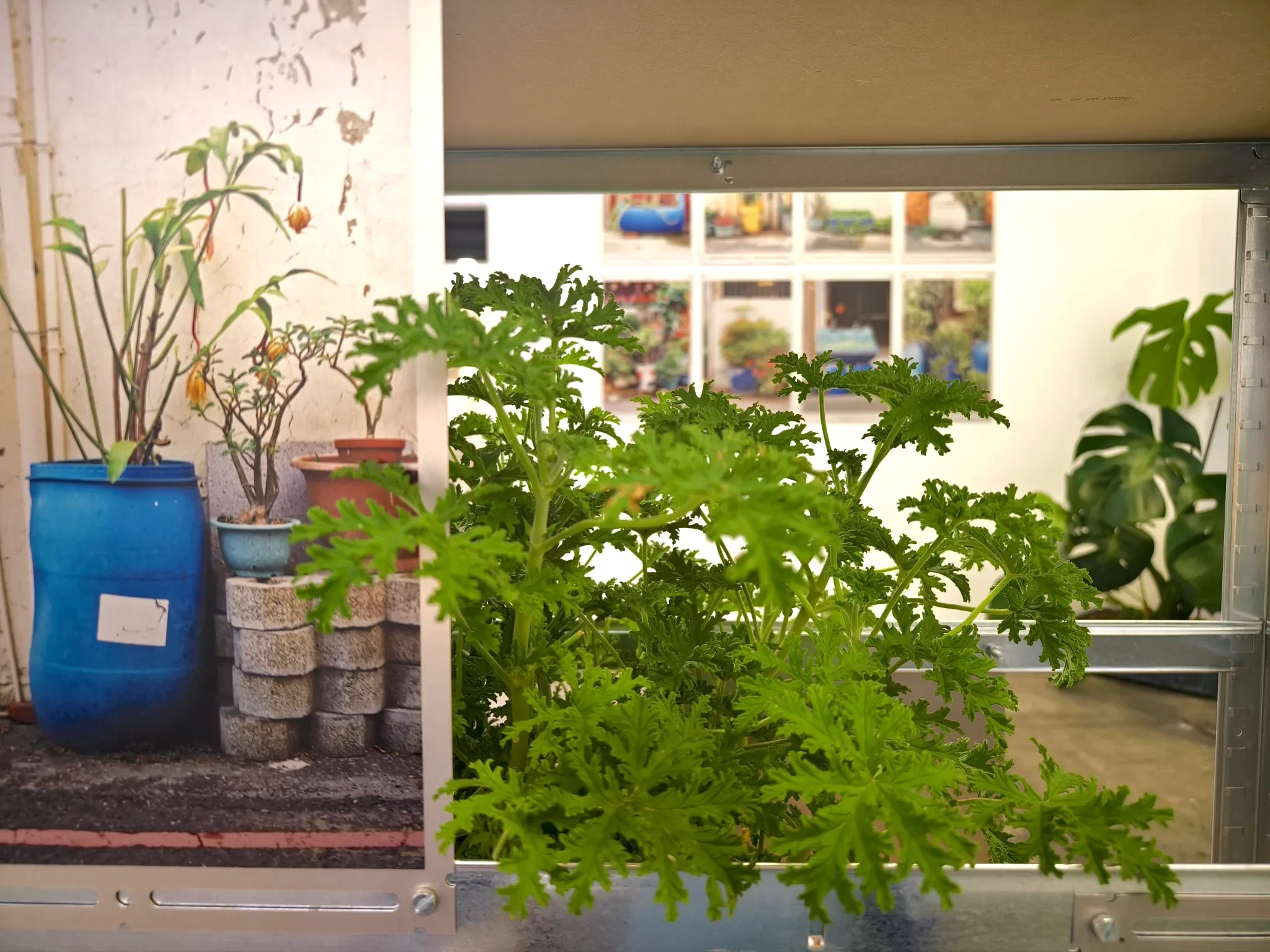
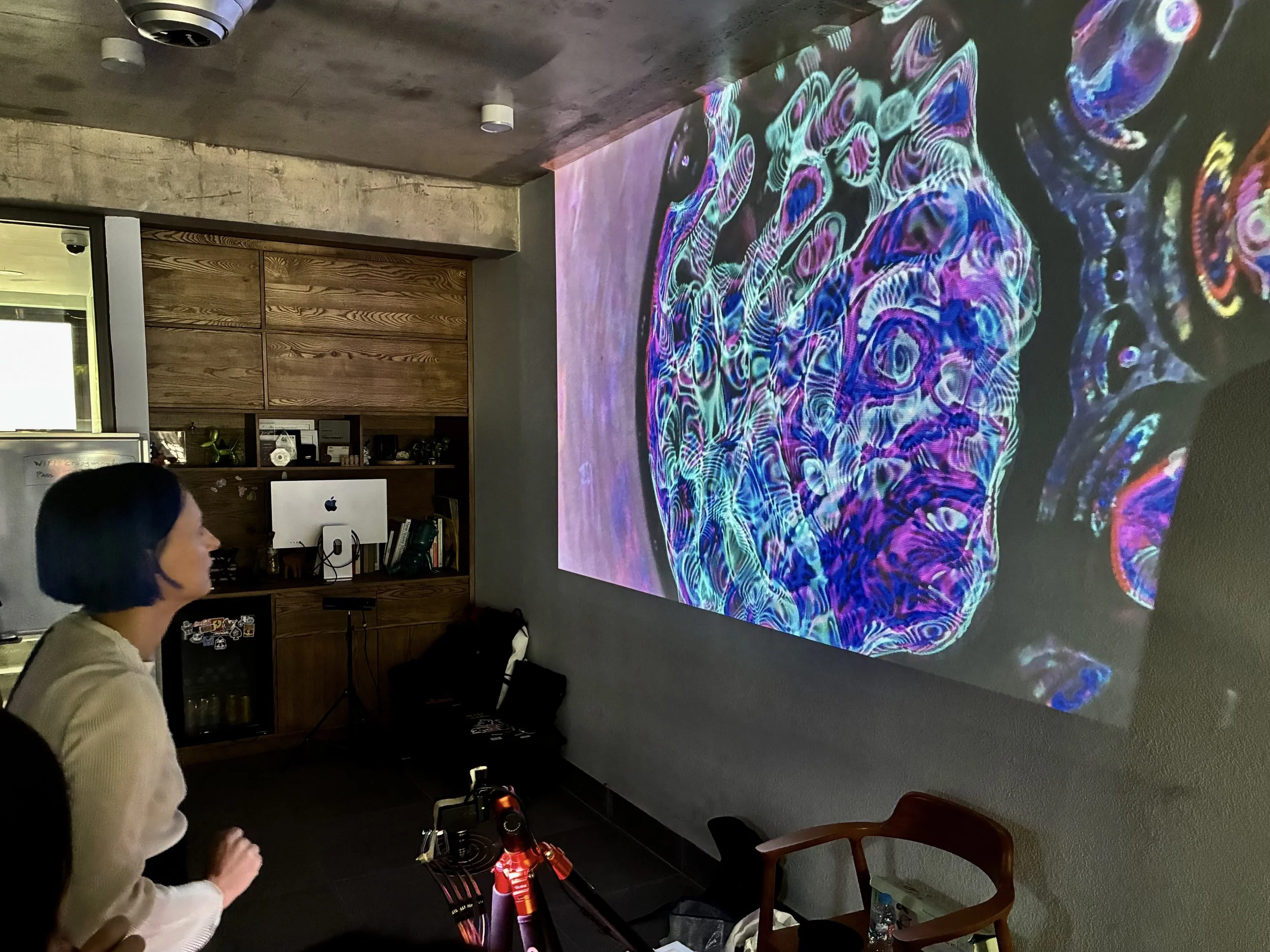
Some of SUAVEART’s past projects. “The blue color of my sky,” curated by Yipei Lee and Carla Gimeno Jaria, and “Seeing Sound through Astro-Data as Vibration,” a cymatics workshop with sound artist Maria Wildeis.
Because of this, SUAVEART gradually developed a sensitivity: we try to rediscover cultural value through small observations of island life and everyday environments. In the early stage, we focused more on the relationship between the individual and society. Later, through international exchanges and curatorial influences, we began to think more seriously about the social responsibility of art. Over time, this evolved into what we now understand as an ecological paradigm. Today, SUAVEART sees art not only as aesthetic expression, but as a way of researching, connecting, and responding—reimagining relationships between humans, culture, and more-than-human worlds.
Today, SUAVEART sees art not only as aesthetic expression, but as a way of researching, connecting, and responding—reimagining relationships between humans, culture, and more-than-human worlds.
As a research-based curatorial institution, what distinguishes SUAVEART from other art spaces that have same thrust but are not necessarily fully rooted in research?
Yipei: For SUAVEART, research is not something that comes only before the work—it is the curatorial method itself. It includes fieldwork, local observation, lived experience, and cross-disciplinary dialogue, and gradually builds into a long-term methodology. Another key concept is “islandness,” which runs through many of our projects. Whether it is conceptual dialogue, spatial perception, ecological engagement, or reflections on colonial histories, we are always interested in how culture becomes embodied through movement, and how geography shapes both the physical and symbolic dimensions of culture.
We are probably quite rare in that we prioritise process over outcome. Rather than focusing on producing results quickly, we care more about the thinking and conversations that emerge through practice. We often ask: what have we lost? What is missing? How can we reconnect? Can art help repair the fractures between cultures, generations, and between humans and the environment?
We don’t prioritise quantity. We prioritise depth of dialogue.
We believe in working slowly. Like the old saying—grinding an iron pestle into a needle—only through time, repetition, and refinement can something truly precise and meaningful emerge.
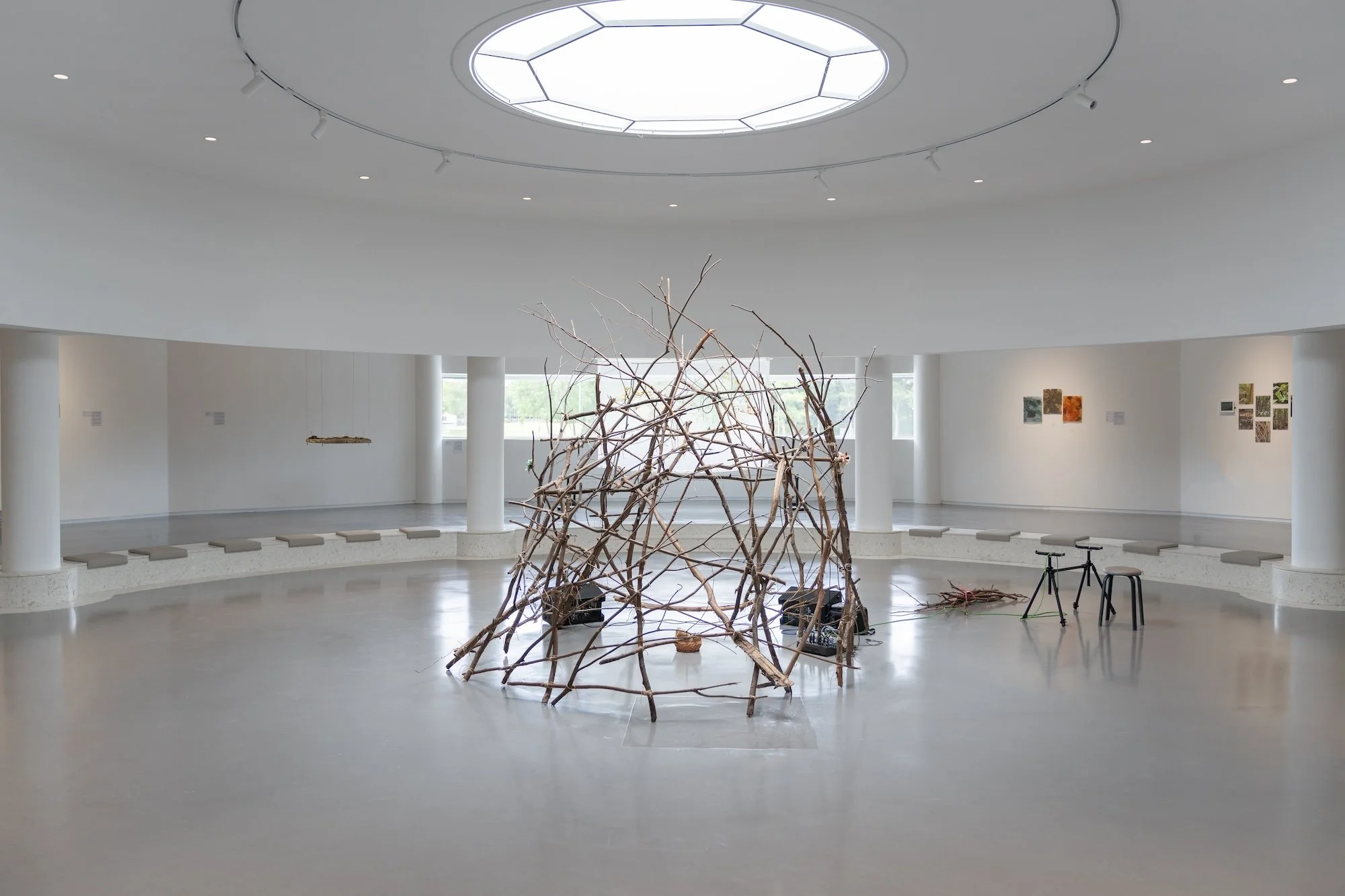


“Shadow/Echo: Breathing Stone,” Jacob Charles.
“The Sound of the Flute Drifted All Summer,” Shen Yi.
“A Plan of Planting,” Wenli Li.
“Branch in a Temple (II), Zhang Yuqing.
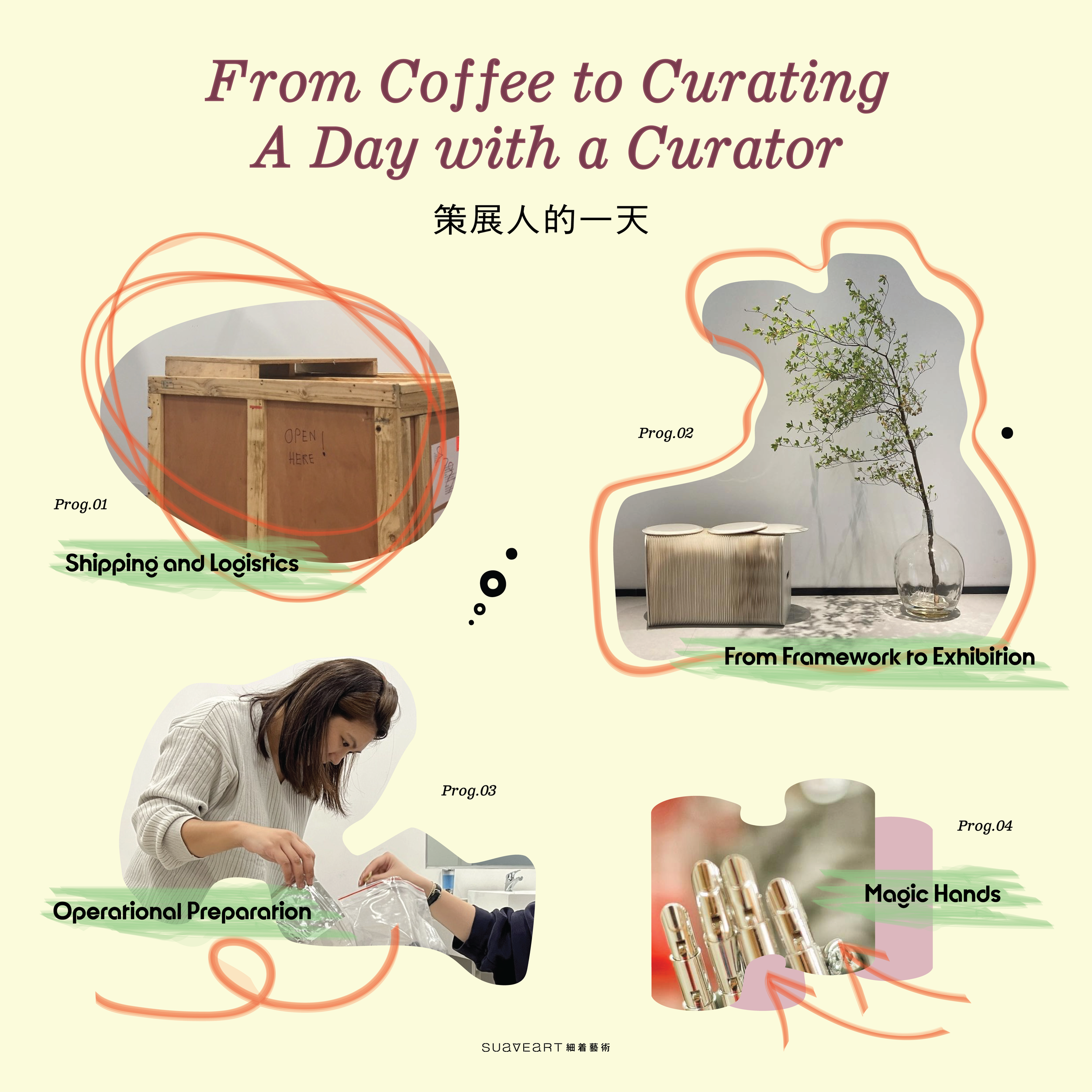
Tell us about A Day with a Curator. How did that series begin, and why did you find it necessary?
We started A Day with a Curator because we deeply understand how curatorial work is structured and how much invisible labour it involves. Curating is not just about putting artworks into a space, it is about constructing relationships, rhythms, and forms of perception. And curatorial work includes research, communication, decision-making, and long-term emotional and intellectual investment. But once an exhibition ends, the thinking behind it—the methodologies, processes, and decisions—often disappear without being documented or revisited.
In most cases, attention tends to focus on the artist and the artwork, which is of course important. But the curatorial process—how relationships between works are built, how narratives are shaped—is equally valuable. Therefore through A Day with a Curator, we want to make curating more visible as a form of practice in itself. Not just as hidden labour behind exhibitions, but as something that can be read, understood, and rethought. It also helps build a more complete ecosystem where artists, curators, works, and audiences are in deeper dialogue with each other.
What stories do you find are worth telling? How has the climate crisis shaped your work?
Yipei: For me, ecology, society, and everyday life generate countless details and stories that move too fast to be fully absorbed, recorded, or reflected upon. What can be transformed into art requires a long process of accumulation in both quantity and quality.
We are all aware of the climate crisis, but the gap between awareness and action often leads to frustration. In recent ecological art projects, some artists engage with “nature-based solutions,” others focus on endangered native species conservation, while others reflect on how over-capitalisation leads to the erosion of cultural heritage and reshapes the relationship between humans and nature.
As a species within a vast ecological system, I believe we need to reduce human arrogance and greed, and avoid overexploitation of resources. Instead, we can build sustainable ways of thinking based on what already exists. This shift in perspective deeply affects both thought and practice.
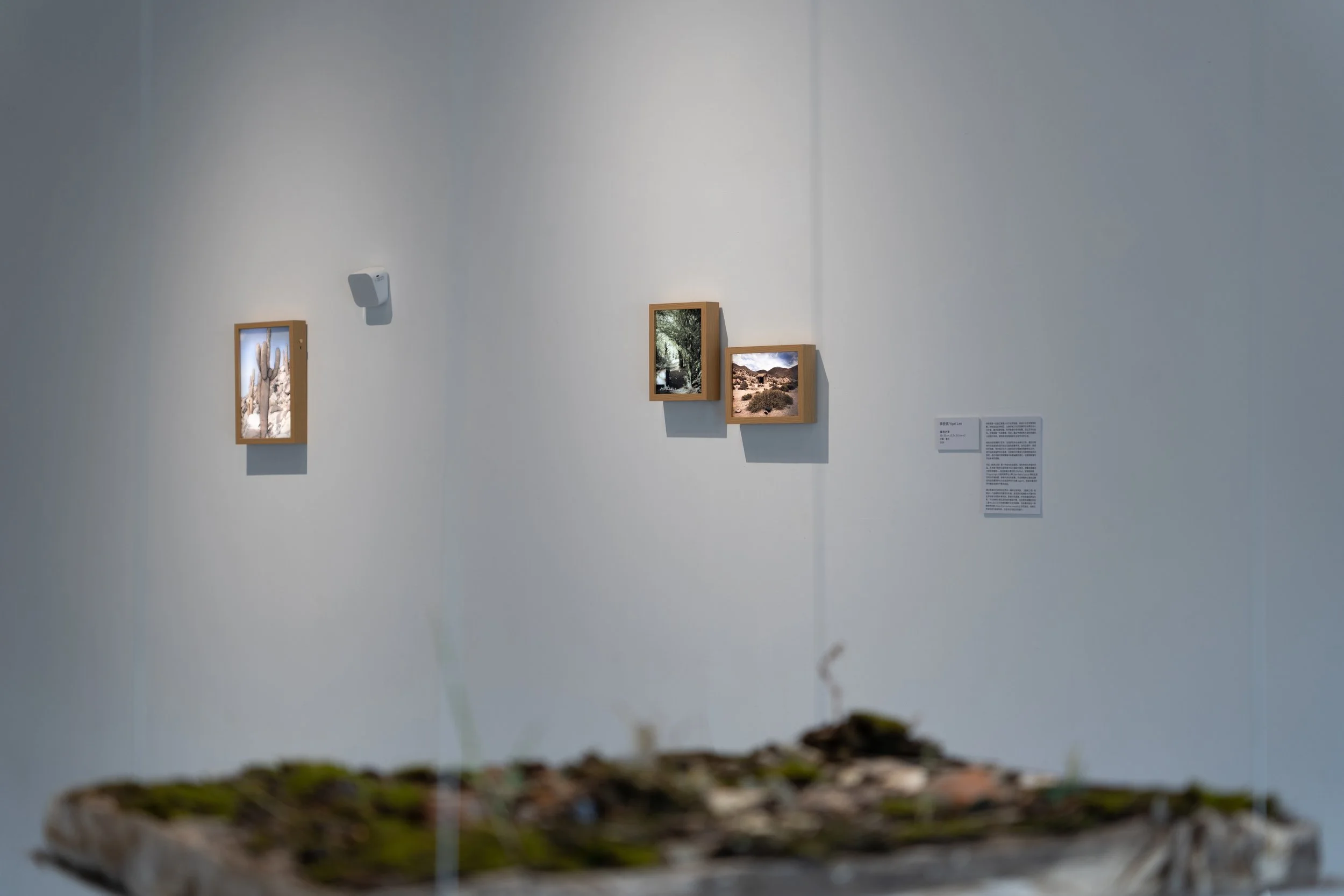
“Oasis Resonance” by Yipei Lee.
Jill: For me, the stories worth telling are those that refuse the neat constraints of a linear trajectory or a one-dimensional plot. I am drawn to narratives that are deeply stratified and rich in context—histories that do not merely move forward, but pool and ripple across the vast registers of deep time. These are accounts that de-centre the human ego, expanding instead into the planetary scales and more-than-human lifeworlds.
The ongoing climate crisis does not simply sit within my work as a thematic subject; it fundamentally shapes its architecture ideologically, figuratively, and physically. Ideologically and figuratively, this trajectory was deeply catalysed by Timothy Morton’s concept of the ‘hyperobject.’ I was searching for a philosophical framework that could help me hold the staggering paradox of the climate crisis—something so vast, intimate, and all-encompassing, yet deceptively distanced from our immediate sensory reach. This encounter provided the vital opening I needed to move beyond localised, human-centric narratives and turn fully toward the planetary scale, recognising that a crisis of this magnitude cannot be viewed from the outside, but must be met as an omnipresent entity that saturates our very reality.
Physically, the weather and environment become a living collaborator of my work. This interdependence is grounded acutely in my material processes, such as the crafting of bioplastics. The entire lifecycle of this medium is dictated by the immediate atmosphere—its curing, its structural integrity, and its transparency are bound to the fluctuating variables of sunlight and humidity. To work this way is to unlearn the fiction of human mastery over the material and enter into a direct, visceral negotiation with the day, allowing the weather and the sun to write their own shifting conditions directly into the flesh of the artwork.
How do you ensure sustainable practices in your art-making?
For us, sustainability exists on multiple levels. It is both a way of thinking and a way of working. It is not just about what we do today, but about what kind of conditions we leave for the future. We always start with research and field observation, and then build from an understanding of local knowledge, ecology, and cultural context. We believe sustainability comes from respecting the rhythms of each place, its environment, resources, and communities.
We also pay attention to how communication happens between artists, works, and audiences. Publishing has gradually become one way of extending this process, allowing invisible layers of research and experience to be carried forward and shared over time. For us, slowness is not an obstacle, it is a method, and also a choice.
We believe sustainability comes from respecting the rhythms of each place, its environment, resources, and communities.
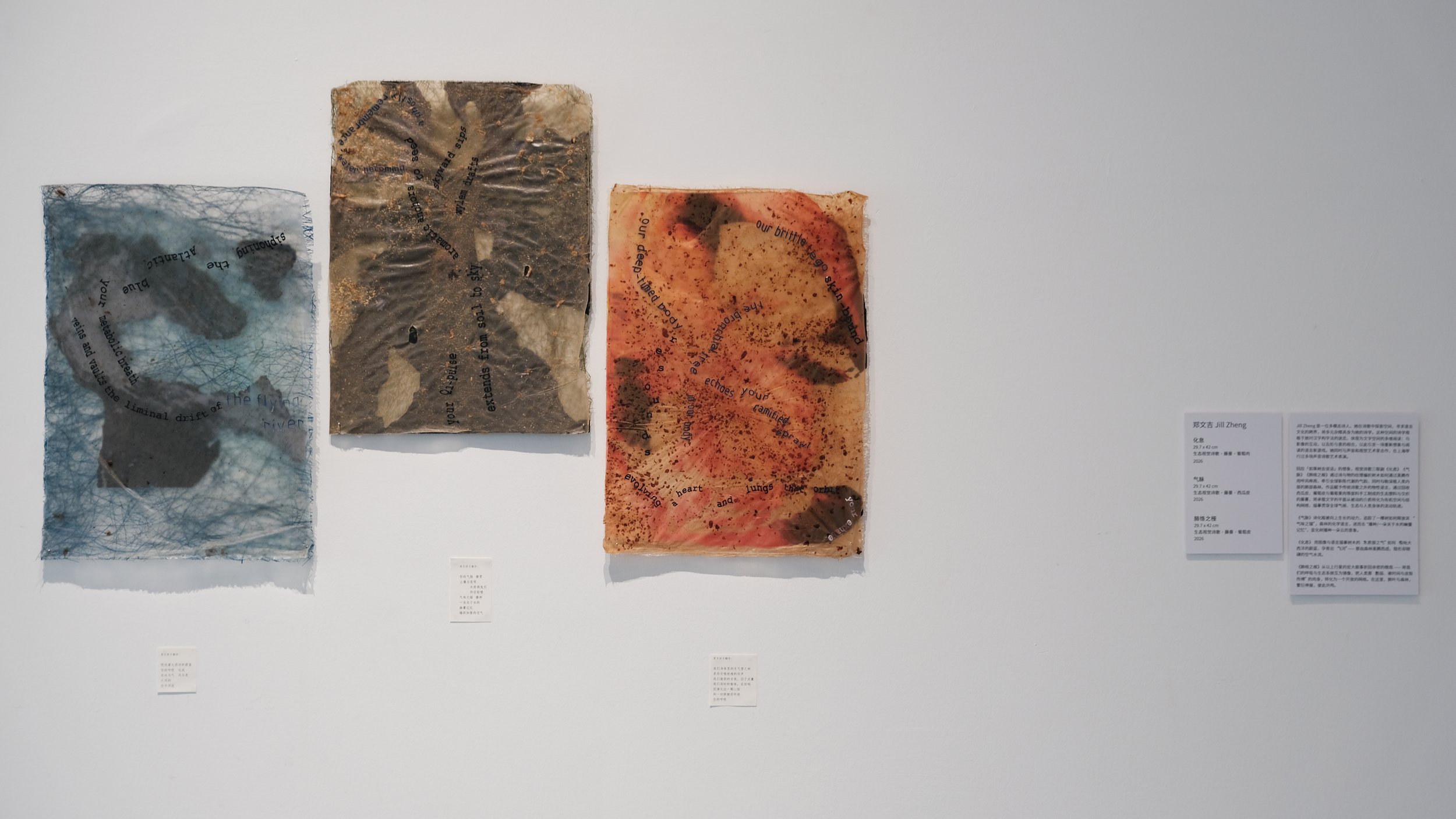

“Triglyph of visual poetry—Qi-pulse, metabolic breath, and bronchial branching,” Jill Zheng.
“Light Up Faraway Mountain,” Ding Ling.
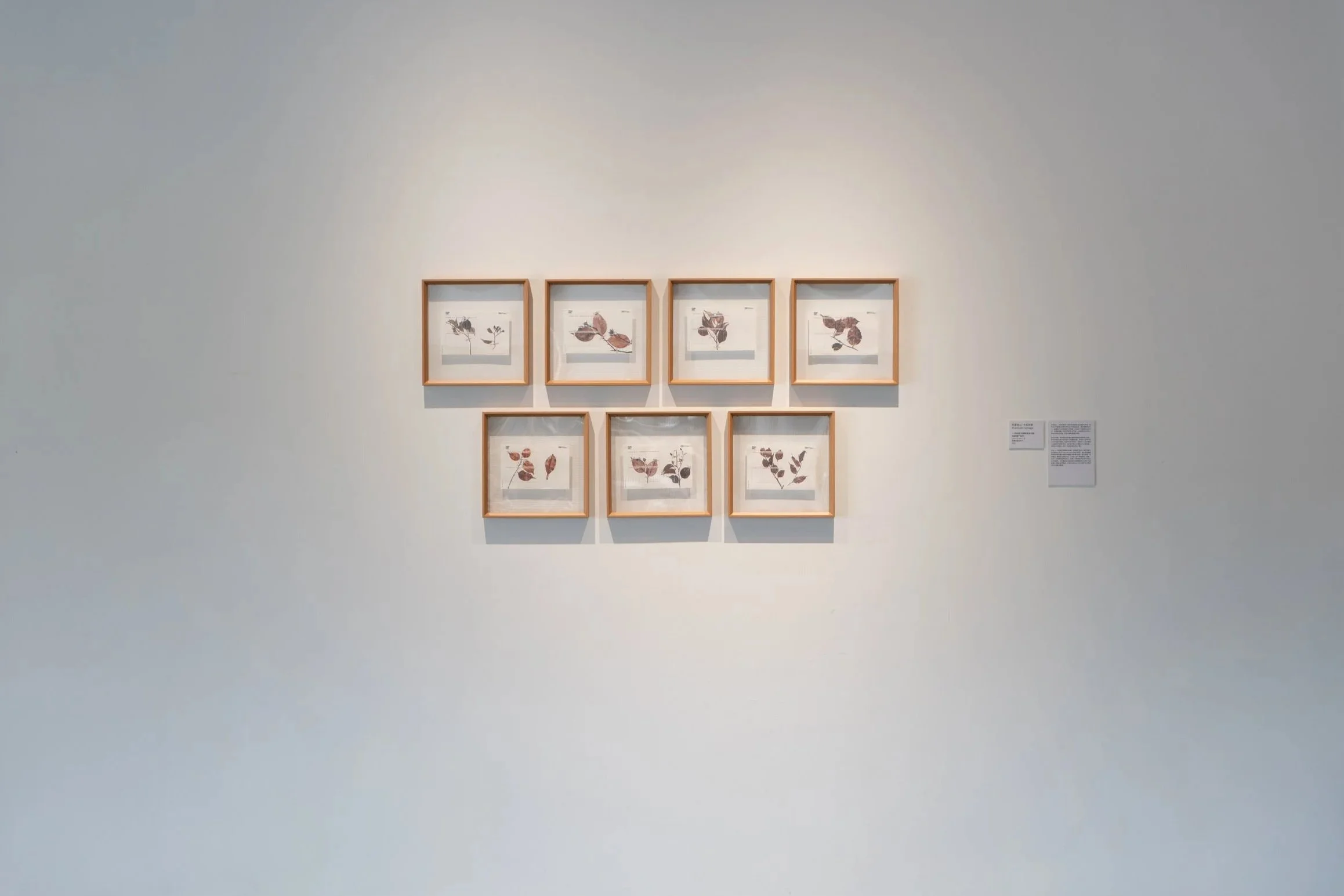
“All That is Solid Melts into Air: National Heritage (series),” Aliansyah Caniago.
Your exhibition Rhizomatic Echoes veers away from “an anthropocentric worldview” and instead chooses to engage with the umwelt of the organisms (primarily trees in this instance). What were you looking for when you opened the call for submissions, and when choosing the artworks and artists? Can you walk us through your curatorial and artistic process in this instance?
Yipei: In fact, through this exhibition we wanted to respond to the theme of your biennial, If Trees Could Talk. During the open call process, we paid particular attention to the intimate relationships between artists and ecological environments, and whether they approach and respond to nature with sincerity and sensitivity.
We also developed a new online submission system to allow artists to submit their work and concepts more comprehensively. This system helped us better understand each artist’s practice and how their works articulate observation and reflection.
Ultimately, the selected works were not all directly centred on “trees” as a subject. Some focused on organisms that exist in complementary relationships with trees and play essential roles in ecosystems, such as slime moulds, lichens, and herbaceous plants. Although often overlooked, these species are equally vital in maintaining ecological cycles and balance.

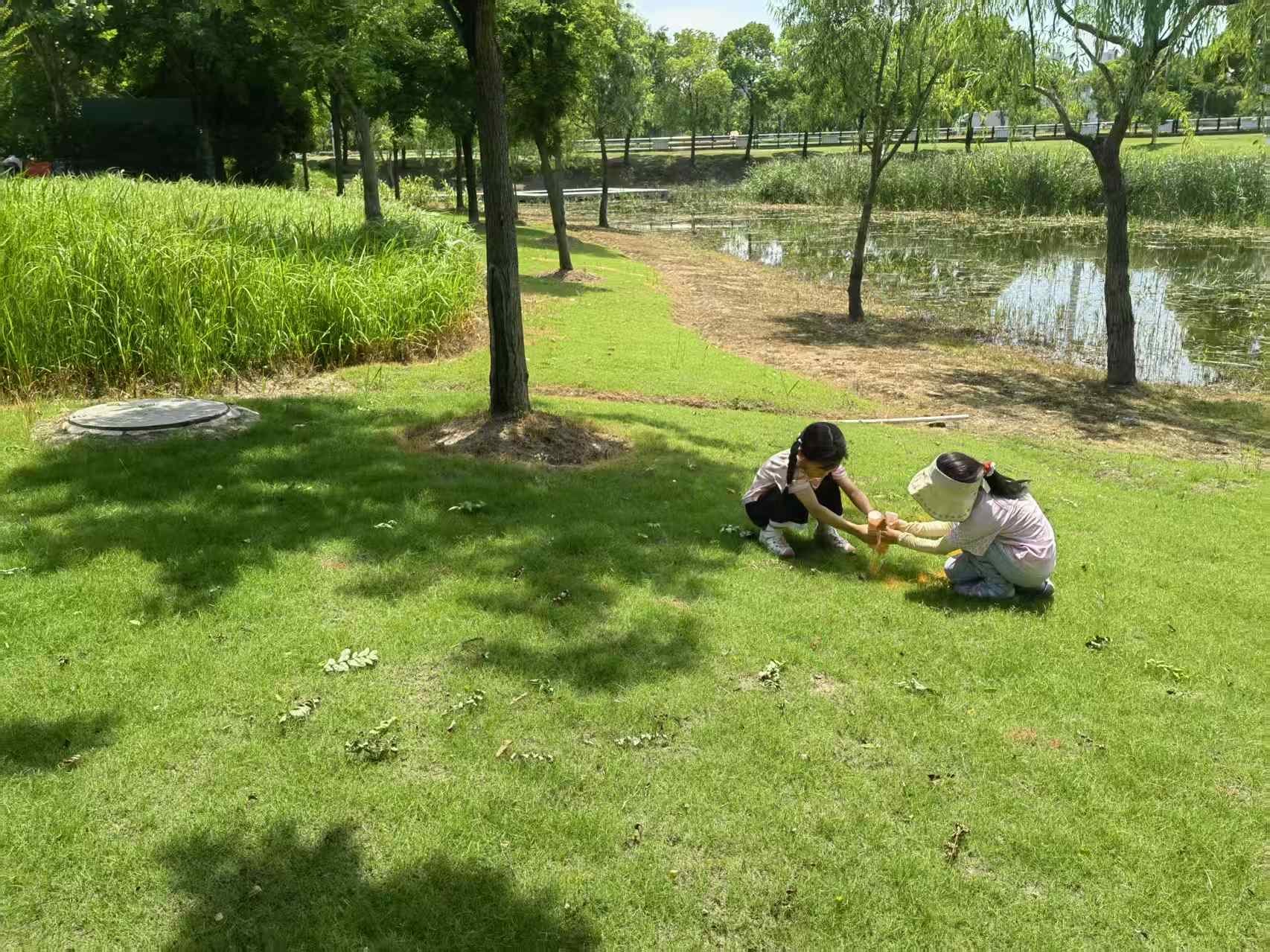
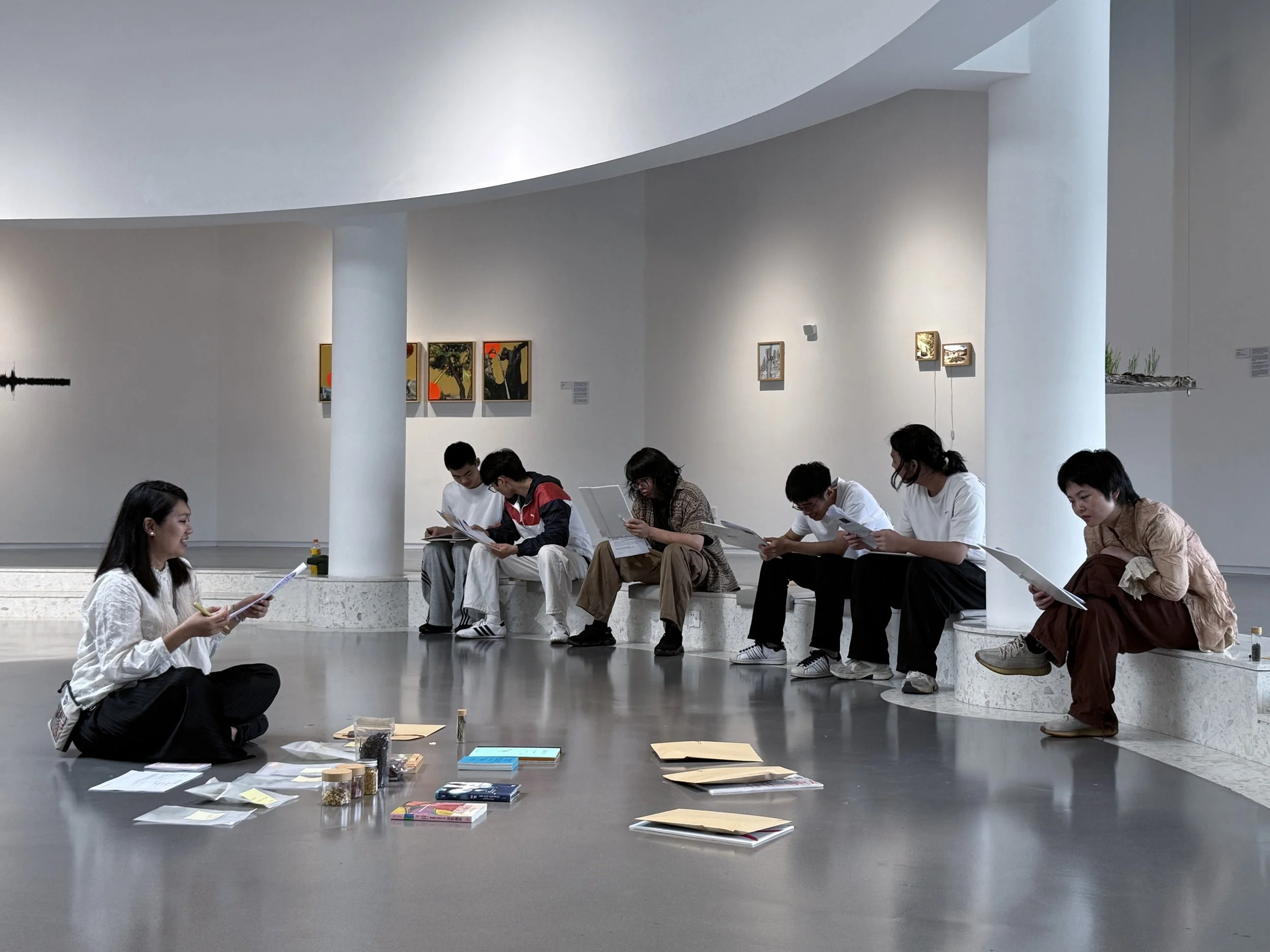
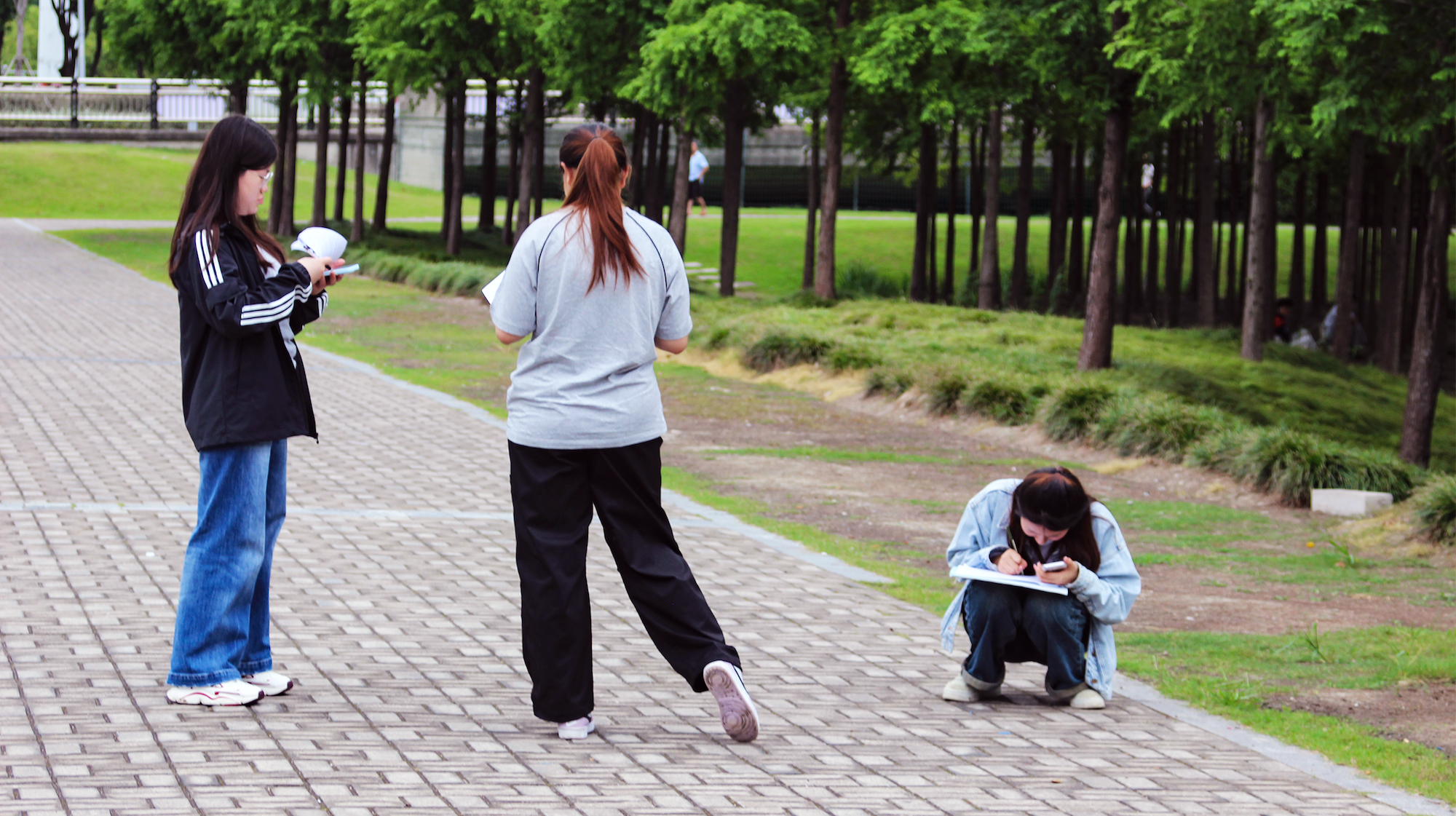
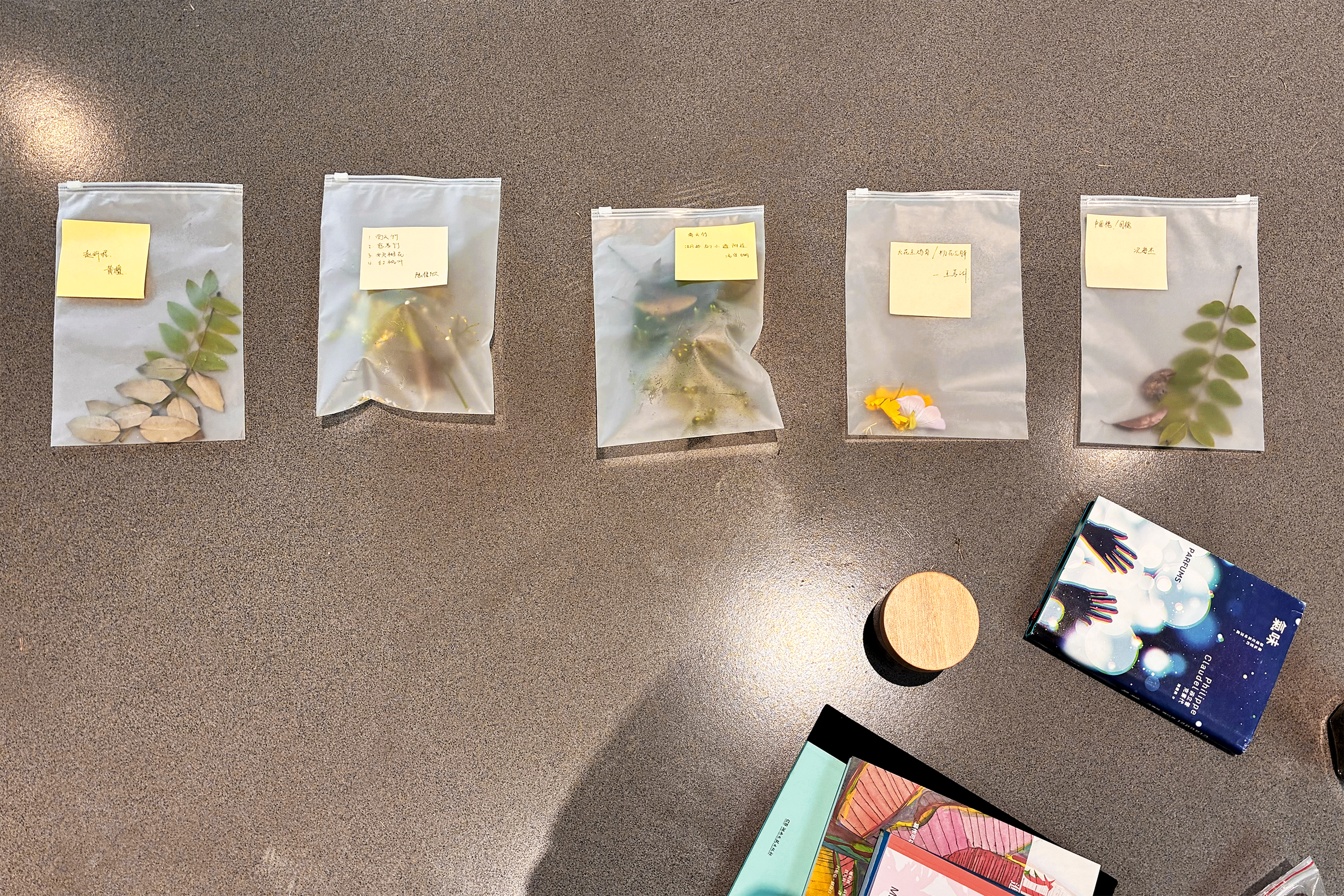
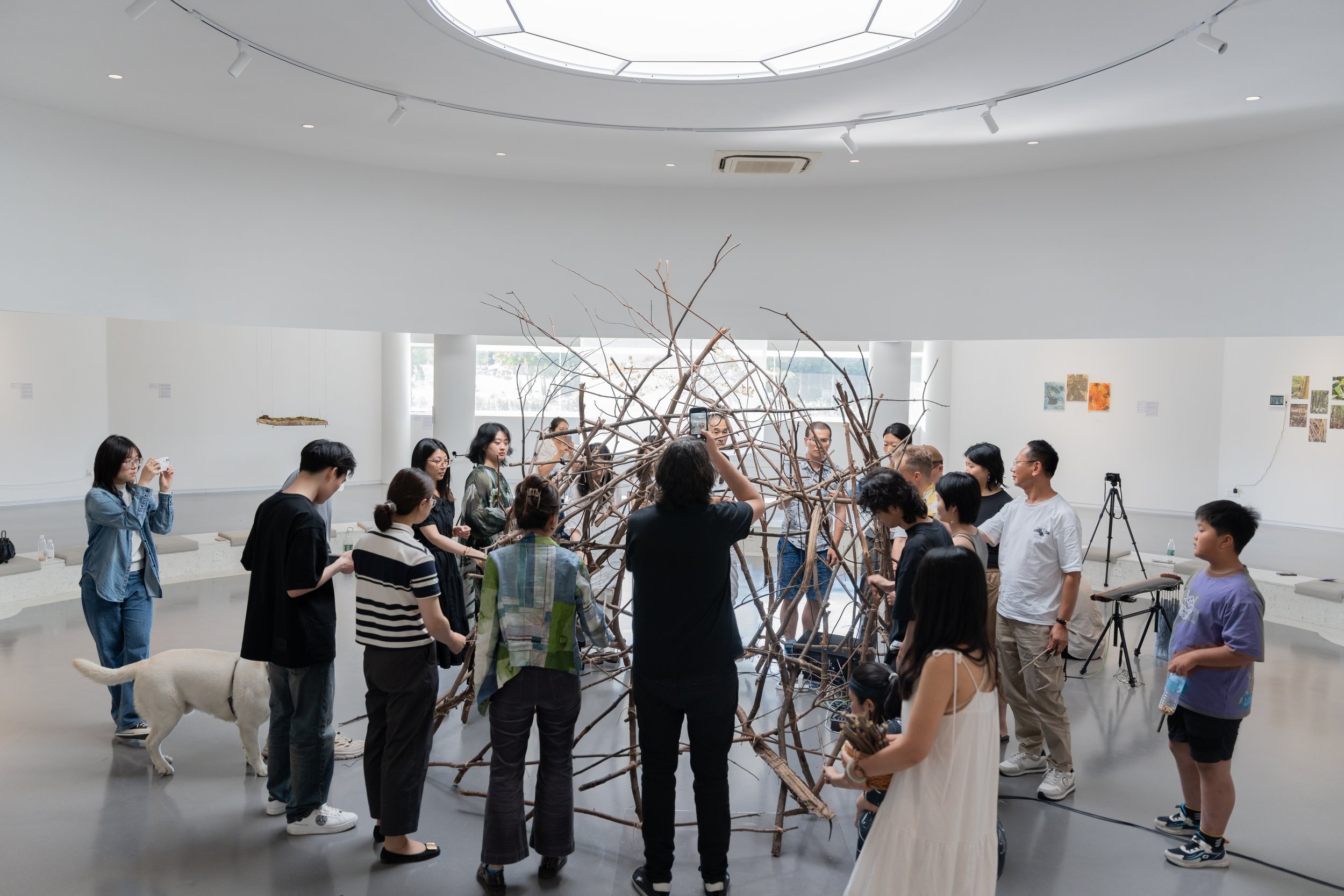
Workshops in support of Rhizomatic Echoes.
Jill: When opening the call for submissions and selecting the artists, my intention was to cultivate a selection where the works didn’t merely stay at a surface-level interpretation of the ‘tree’ theme, but burrowed deeper into the tenets of deep ecology and ‘rhizomatic thinking,’ Rhizomatic thinking rejects rigid, top-down hierarchies—such as the classic, isolated ‘family tree’—in favour of decentralised, multi-directional webs where every point is inherently connected. Embodying this framework, Rhizomatic Echoes operates as both a downward excavation and an outward attunement. The ‘rhizomatic’ aspect delves beneath the surface, tracing the intricate, subterranean fabrics of more-than-human existence that span deep time; the ‘echoes’, conversely, listen outward, capturing the resonance of all things amidst planetary rhythms, interspecies communication, and urban noise.
As we select and arrange the physical architecture of the gallery, the curatorial process is anchored by what Timothy Morton terms ‘Radical Openness’—gathering pieces that act as living practices and physical instantiations of a dynamic, symbiotic web. This approach shifts our focus from isolated, individual works to a deeply woven exhibition ecosystem where distinct artistic voices actively resonate with one another. For example, Hoho Kuo’s temple-rooted paintings are nested between the high-frequency biological data of Sun Fangzheng’s slime mould algorithms and Yipei Lee’s desert plant acoustics, cradling ancestral deep time within immediate sonic translations.
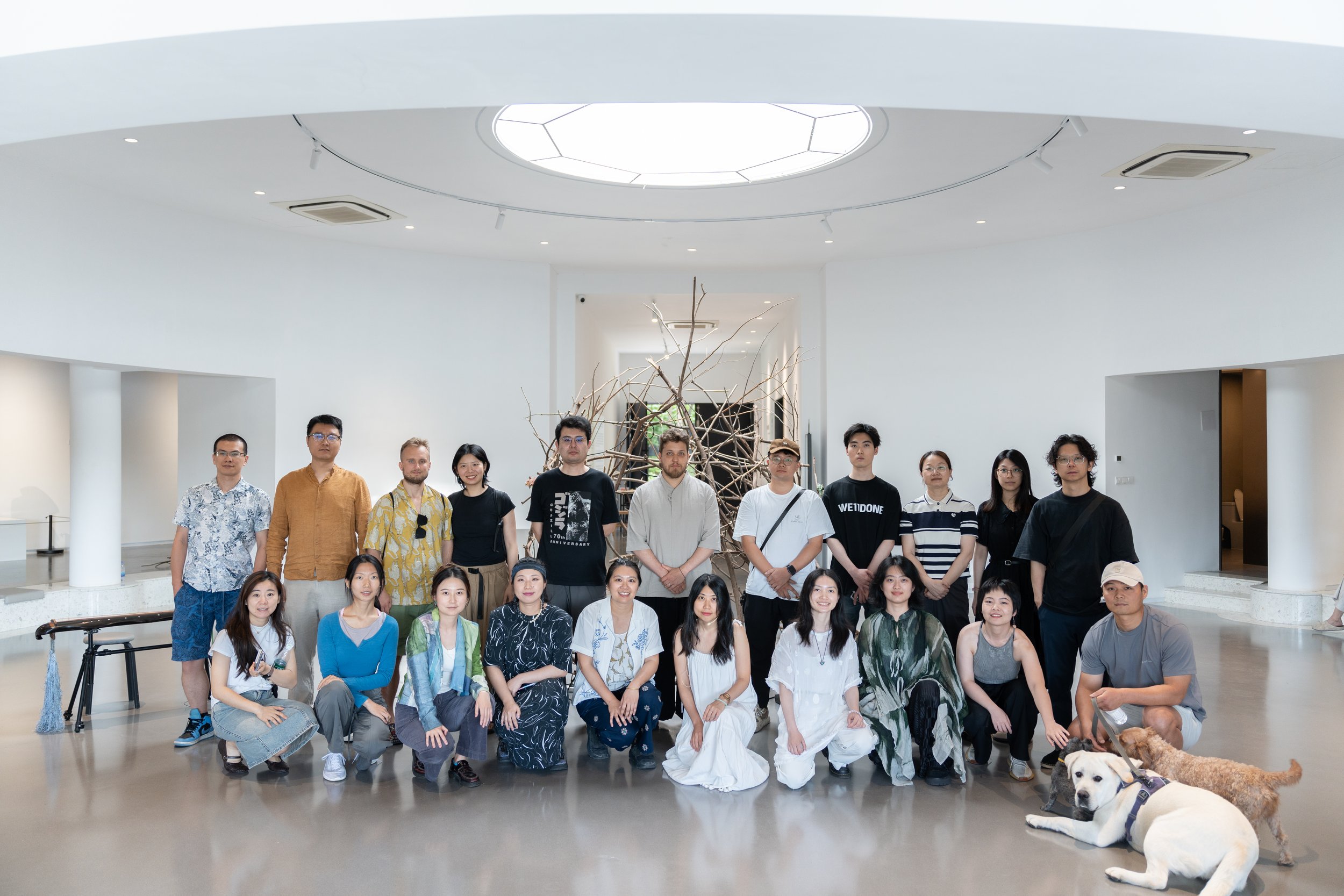
The curators and participating artists of Rhizomatic Echoes. Photo by Huang Xinyuan
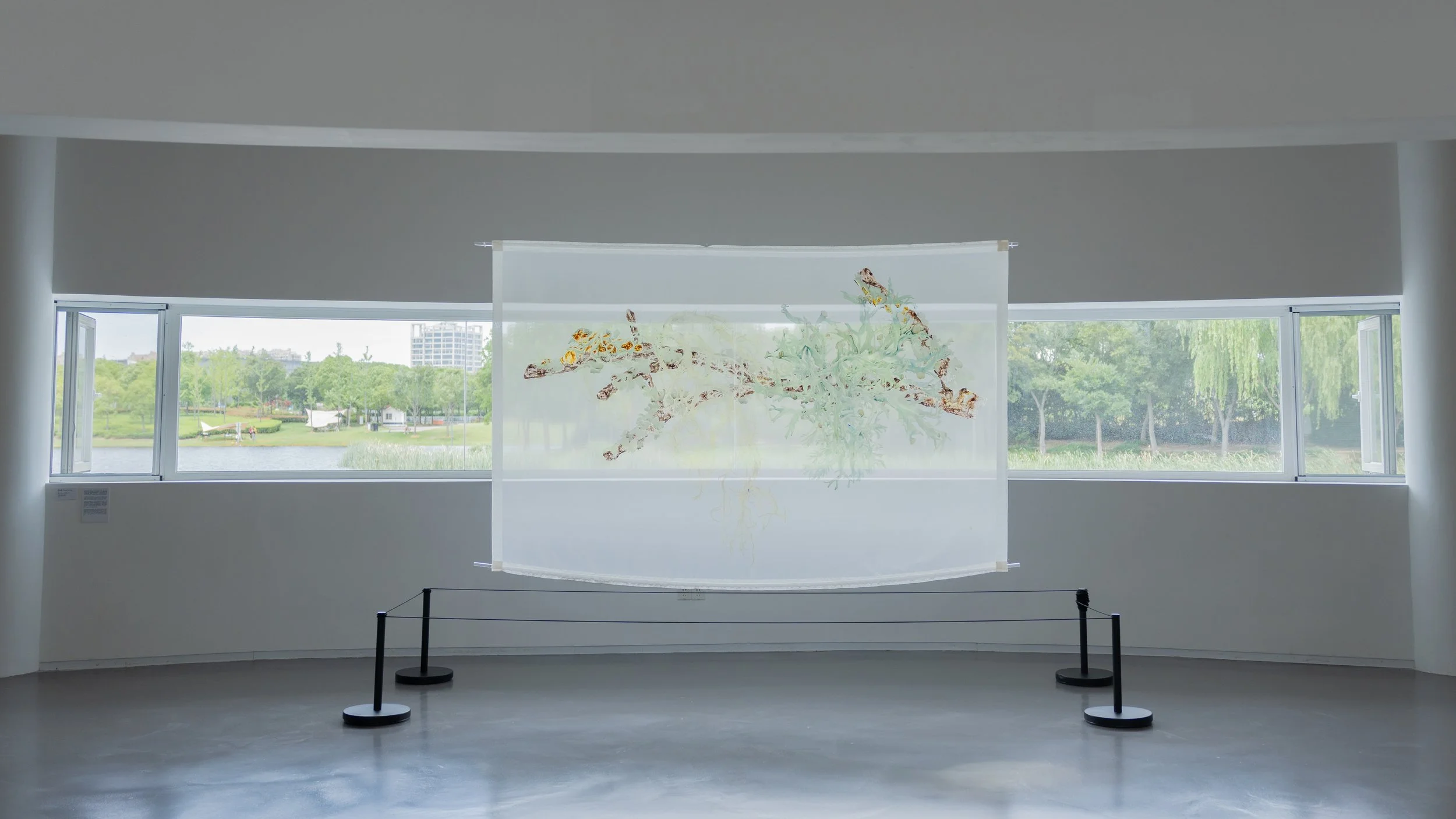
This dialogue becomes beautifully vertical as Yipei’s Oasis Resonance is positioned on the wall directly over Wenli Li’s suspended installation of industrial debris and live moss, staging an intimate friction between technological data-harvesting and raw, metabolic multi-species reclamation. Further into the room, there is a parallel intimacy through the adjacent placement of Zhang Yuqing’s lichen paintings and my translucent visual poetry, mapping the micro-scale of a single fungal “rhizine” alongside the global, bronchial currents of planetary evapotranspiration. Finally, Aliansyah Caniago’s fragile heritage stamps, Yuqing’s hanging textile, and Shen Yi’s camphor wood sculpture are brought into a single, continuous gaze where geopolitical material dispersion dissolves into the submissive, tactile rhythm of an artist’s chisel yielding to a tree’s annual rings.
What was the reaction of the public, and what resonated (or continues to resonate) with you the most?
Yipei: I was very touched to hear an artist say that this was the first time they had participated in, and encountered so many other artists also concerned with trees and ecological issues, describing the exhibition as finding their “own community.” For me personally, the entire process—from curating to seeing the exhibition open—was both intense and deeply moving. In a sense, this exhibition also healed me. It helped me gradually recover from the frustration I had experienced in earlier ecological projects, and rebuild my trust in communication between people.
Audience responses were also very memorable. Many noted that the exhibition space and the surrounding lake and park environment were in strong harmony, and that the artworks had a natural rhythm within the site, allowing visitors to spend time slowly and attentively with each artist’s work.
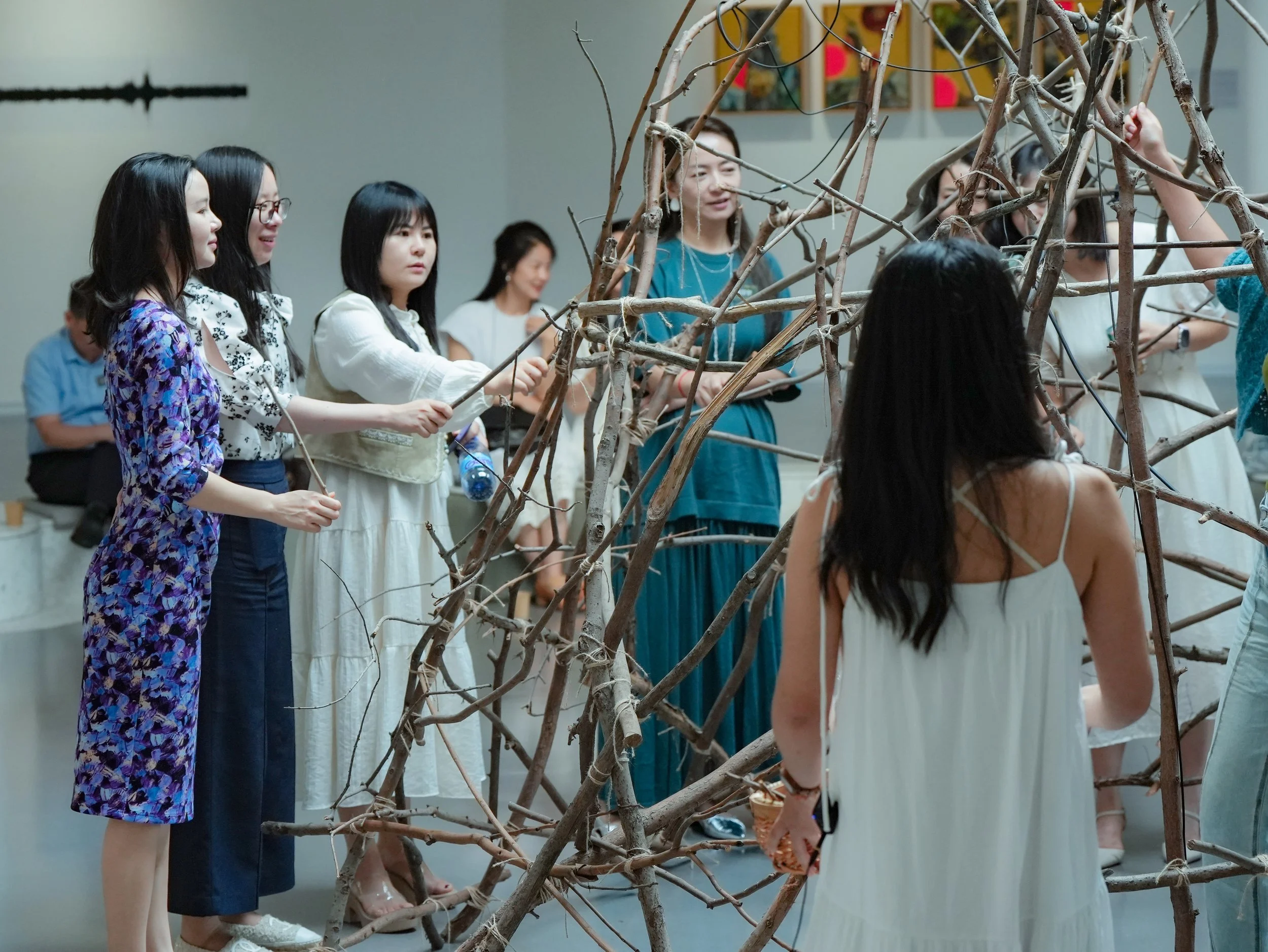
In addition, the workshops we designed placed strong emphasis on interaction, dialogue, and sensory experience. In the workshop I personally designed, I saw participants respond to natural scents with very free and sincere writing, sharing memories, emotions, and lived experiences. That kind of exchange felt very real, and once again reminded me how art and nature can become a medium that connects people.
Jill: Stepping into the curatorial role, the steepest part of the learning curve was the visceral transition from concept to physical mounting—the challenge of mapping an ecological philosophy directly onto the hard constraints of a room. I came to see that curating an exhibition is an act of immense breadth, an orchestration of scale where success depends on your ability to spin a wide, interconnected web across the gallery. Navigating this brought a clarity to my own identity. I discovered that while the curatorial gaze must stretch horizontally to manage this vast expanse, my instinct as an artist is to exist as a sessile, site-attuned tree. Trees’ immobility isn’t a disadvantage, but an evolutionary choice. I often identify with this deliberate stillness in my research-driven practice, because my energy tends to fold inward, to nourish a slow, deliberate growth from within.◾️
Yipei Lee is an independent curator and cultural practitioner with a background in design and arts management. Working across Asia, she engages in interdisciplinary cultural practices that connect social responsibility, humanistic values, and ecological inquiry. By integrating field research, scientific data, and local knowledge, she explores ecological curating as a framework for understanding climate resilience, island geographies, and archipelagic networks.
Her artistic practice moves between art, ecological research, and social engagement, using everyday objects and found materials to create diary-like narratives. Through subtle material transformations, she weaves together scientific observation, local knowledge, and personal experience, producing works that reflect on environmental change and more-than-human relationships. Combining poetic translation with a light and humorous sensibility, her work invites audiences to perceive overlooked ecological connections and imagine alternative futures through intimate, micro-scale stories.
Jill Zheng is a multimodal poet, who works with language as a primary material, oftentimes marrying modes of graphic arrangements, sound, image, translingualism, somatic experience, etc. Her poetic practice takes its inspirational roots from the concreteness of Chinese characters, and seeks to embody cultural hybridity as to traverse linguistic boundaries, for a new game of re-imagination and reading re-orientation. She also collaborates with visual and sound artists on multimedia poetry and sound-art performances in Shanghai.
To learn more about SUAVEART, visit suaveart.org or follow them on Instagram @suaveart_ltd.
Rhizomatic Echoes is on view until July 12, 2026 at TAI ART SPACE, Yuanxiang Lake Park, Shanghai. For more information, visit suaveart.org/exhibitions/rhizomatic-echoes/.