
ANOHA joins 2nd If Trees Could Talk Biennale with “Tu bi-Shevat — The Talking Trees”
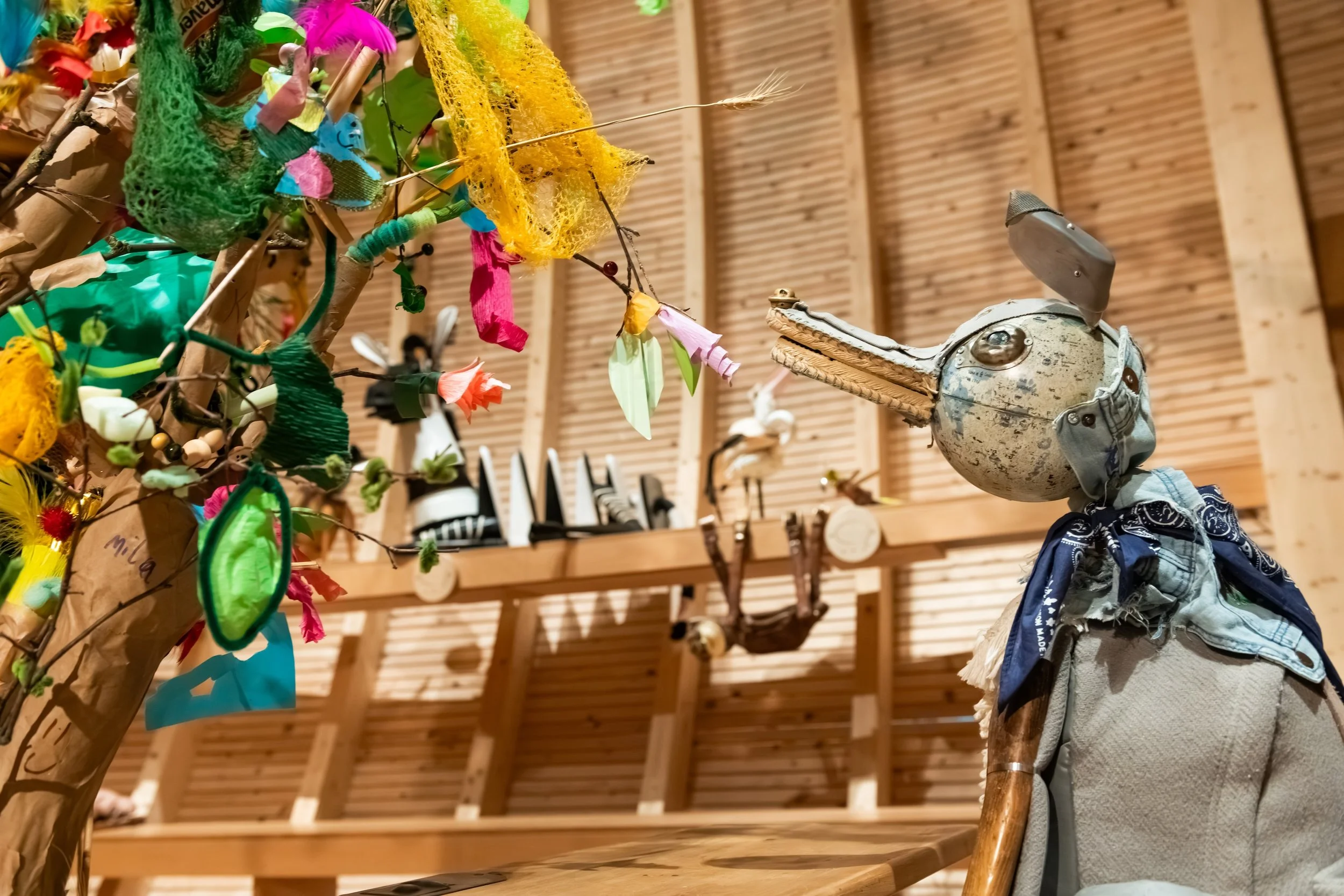
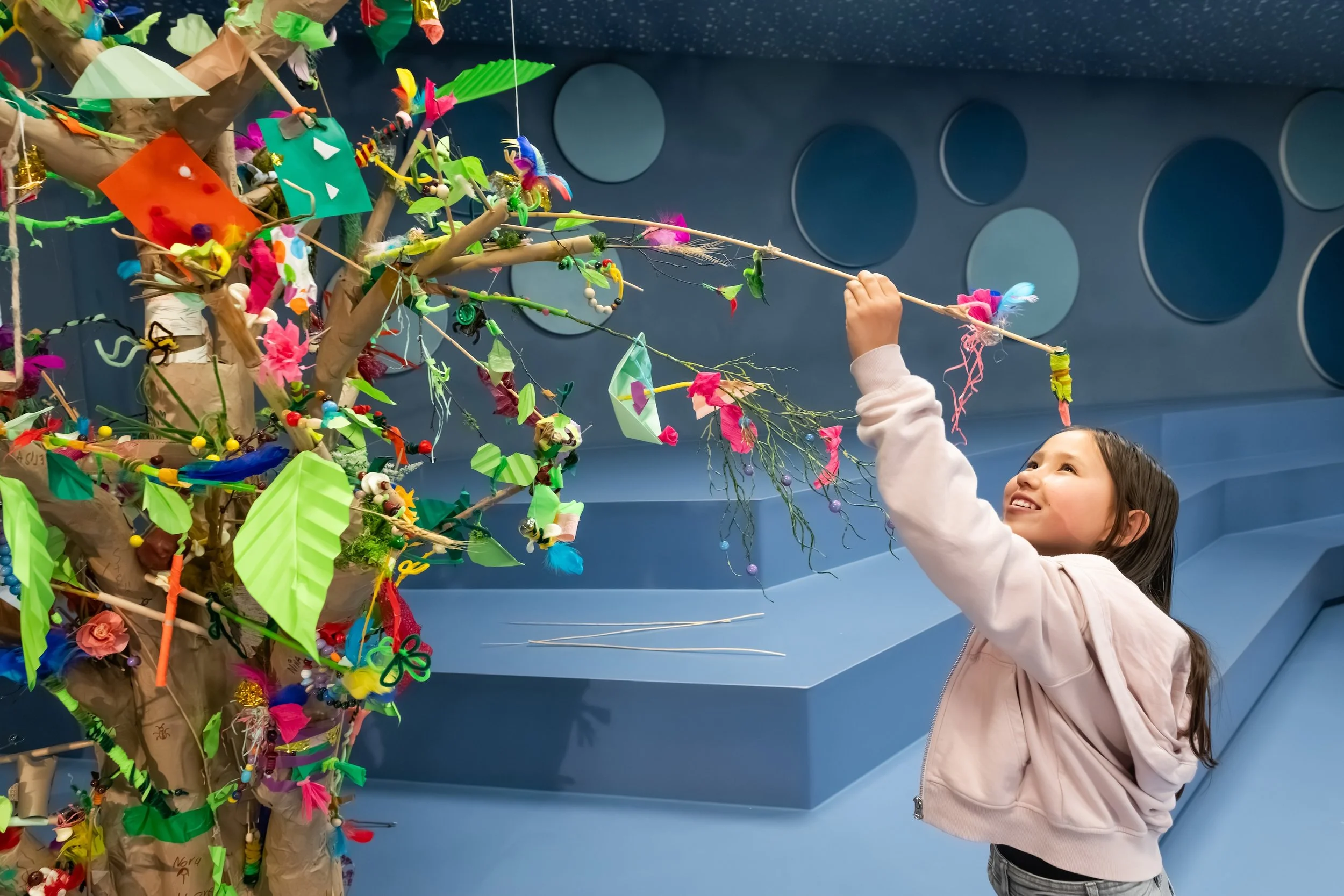
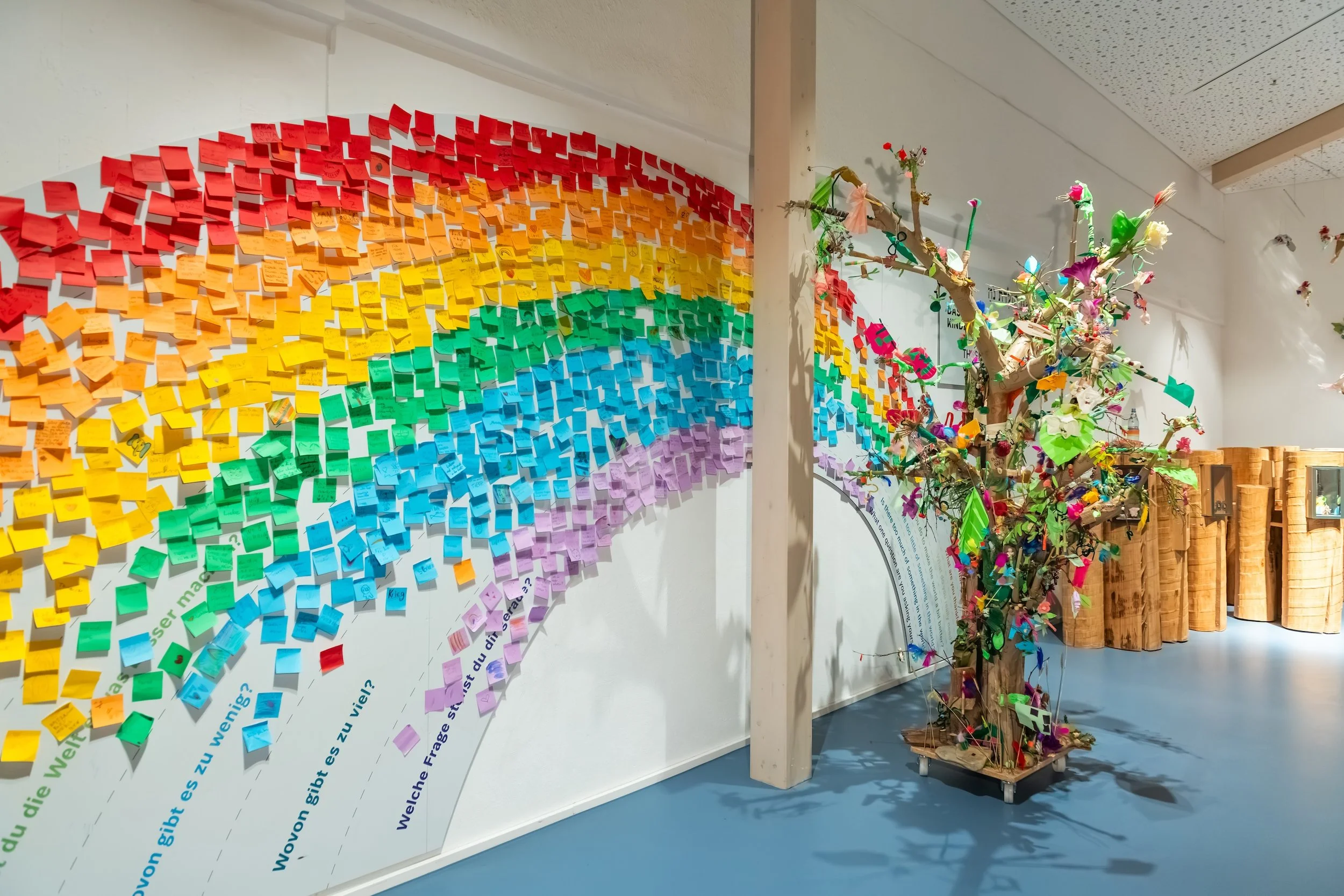
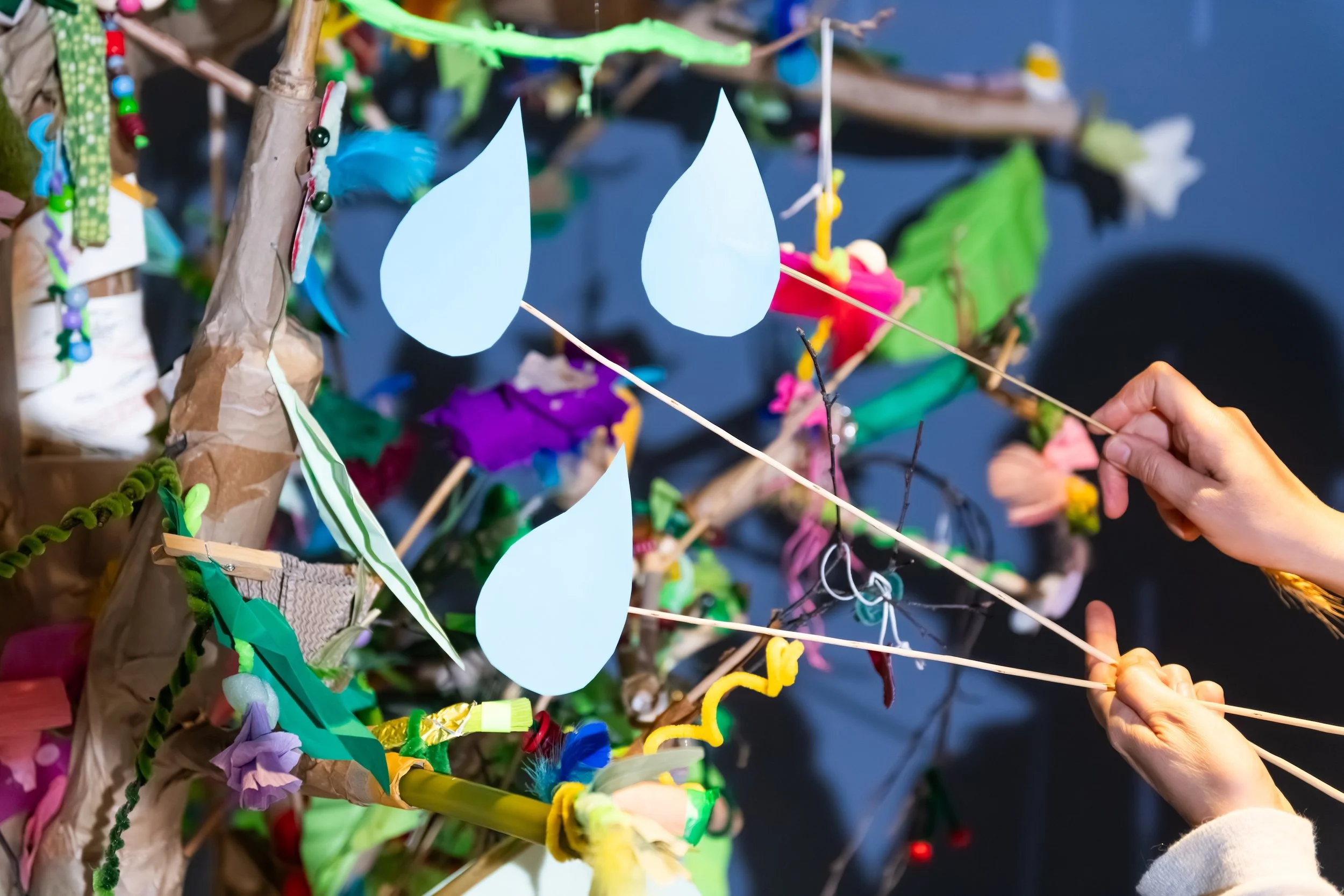
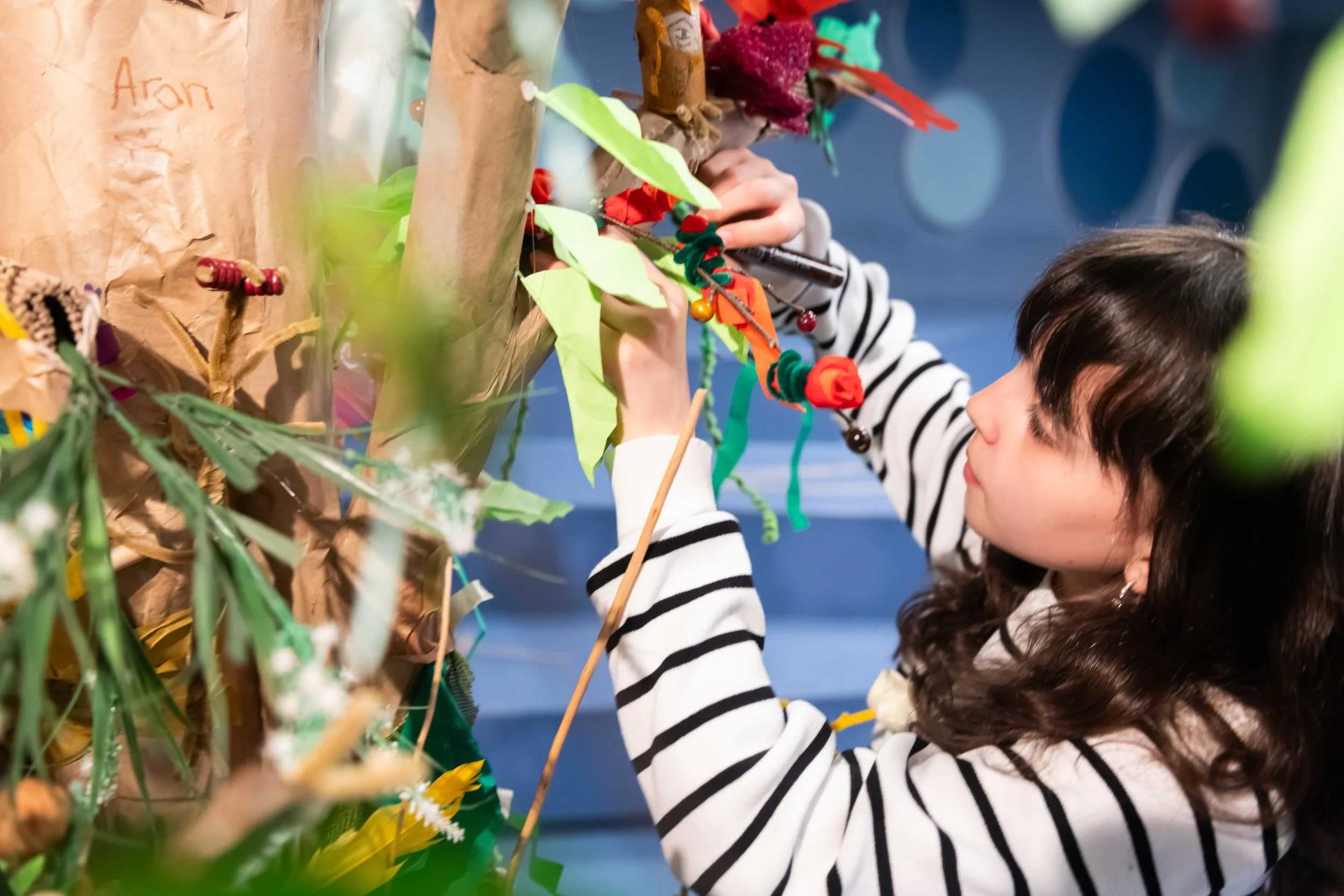
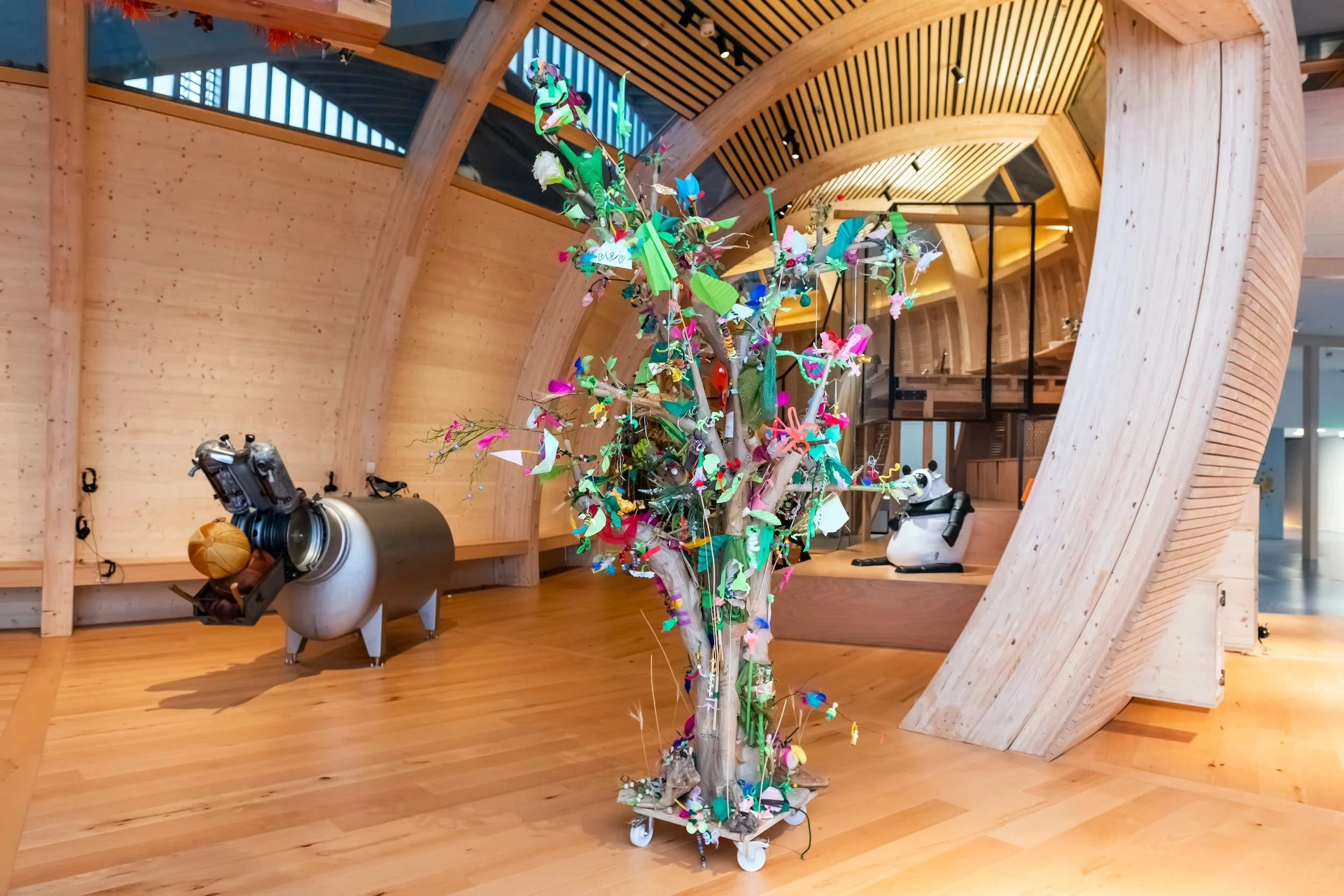
For the 2026 edition of the If Trees Could Talk International Art Biennale, ANOHA, the Children’s World of Jewish Museum Berlin invited visitors to create a large Tu bi-Shevat Tree using upcycled and natural materials.
On the occasion of Tu bi-Shevat, the Jewish New Year for the Trees, they explored questions such as: “Why do we celebrate trees?” or “If trees could talk, what would they tell us?” The result is a collaborative artwork that reflects sustainability, environmental responsibility, and the deep connection between people and nature.
The photographs document the completed community artwork and invite viewers to follow the tree on its journey through ANOHA, the Children’s World of the Jewish Museum Berlin. The contribution is complemented by the story “If Trees Could Talk,” written by Ane Feine, alias Dr. Ane Kleine-Engel, Director of ANOHA. Inspired by the art exhibition at ANOHA and the Biennale’s theme, the story encourages readers to listen with imagination and attentiveness to the voices of the trees.
All photographs taken by Jule Roehr, courtesy of ANOHA.
If Trees Could Talk
by Dr. Ane Kleine-Engel
*
Completely exhausted, Noah sat on the Ark. It was loud. Much too loud! All the animals on the Ark trumpeted, barked, whinnied, meowed, squeaked, chirped, and peeped incessantly in a jumble. The lions roared, the squirrels clicked, the armadillos grunted, the frilled lizards hissed. All day long the concert of the animals echoed through the Ark. What am I saying? Not only by day — no, there was no rest at night either.
When the elephants and the sparrows went to sleep, when the cheetahs and rabbits’ eyes grew heavy, when the ants returned to their mound, when the hens finally dozed off, the nocturnal animals awakened: the foxes barked, the hamsters and the mice squeaked, the hedgehogs trundled, the raccoons screeched … And the loudest of all were the bats. As they fluttered through the dark Ark at night, they roared so loudly that the elephants woke up again and trumpeted, the sparrows whistled again, the cats meowed again, the roosters crowed, and so on. So loudly did the bats roar.
In his despair Noah prayed to God one night that he would please at least forbid the bats’ roaring. But God, blessed be He, knew, of course, that the bats orient themselves by the sound of their voices. They sent out sounds, and depending on how these were bounced back to them from the walls and pillars in the Ark, they calculated their flight paths. But He took pity on Noah, and so He allowed the bats to emit their cries only in such high voices that no other living creature could hear them anymore. Since then the bats have used ultrasound.
Great idea?! You think. But unfortunately, that wasn’t enough. All the other animals naturally continued to make a huge racket. Day and night. So it happened that Noah, who could never really sleep, because he and his sons watched over all the animals on the Ark 24 hours a day, dozed off for just a moment.
And Noah dreamed. Instead of all the animals, he had saved the plants of the earth from the flood: the grasses and the flowers, the mosses and lichens, the mushrooms, the perennials, the bushes and the trees. In his dream he heard only the grass rustling softly, the leaves of the trees and bushes rustling almost inaudibly in the wind, the mushrooms, mosses and lichens were completely silent. There was wonderful quiet. For Noah knew—trees, he knew—can’t speak.
Or can they? Hadn’t he just heard a tree say something? He listened again very carefully and heard …
Perhaps the story goes on: But there he woke to the chattering of geese. And so Noah never learned what the tree wanted to whisper to him. But perhaps you heard it?◾️
Tu bi-Shevat (The Talking Trees) is an independently organized project of ANOHA, the Children’s World of Jewish Museum Berlin for the 2nd If Trees Could Talk International Art Biennale. To learn more about ANOHA, visit anoha.de/en.